Language as PPE: Monique Lewis on Why "Nodding Through" Safety Briefings Puts Lives at Risk

 Apple Podcasts

 Spotify

 Overcast

 Castro

 PocketCasts

 RSS Feed

 Amazon Music

 Audible

 iHeartRadio
Some of your crew are nodding and giving a thumbs-up in the safety briefing. Do you know how much of it they understood?
Monique Lewis, founder of Next 2 Native, has built a business around that question. She helps construction companies reduce language-related safety risk, and she never planned to be an entrepreneur. A part-time community college instructor, a mom and a wife, she was sitting in her minivan when a sudden contract change threatened six weeks of pay in an eight-week stretch. Then a conversation about a Charlotte jobsite fatality tied to a language barrier gave her the "light bulb moment" that pulled her into construction.
Monique and Jesse get into the mindset it took, the sales lesson that changed how she pitches, and a model that gets leadership learning Spanish while crews learn English.
In this episode:
- The fear advice from Monique's sister that Monique still uses: "Fear will greet you first. Nod and keep moving."
- Why Monique had to go from being "a cog" to being "the wheel," and what she tells herself when the fear shows up again
- Why contractors who "bleed green" tune out the human argument, and how she pivoted mid-conversation with a GC who said everyone in the US should speak English
- How rework, near misses, EMR, workers' comp rates and reputation make the business case for language access
- Why the goal is functionality over fluency, and what language apps and classroom tests miss about the real jobsite
- The story behind the name "Next to Native"
- Top-down, bottom-up: how leaders and crews both learning each other's language drops defenses and shifts company culture
- Why contractors who want to be the "preferred contractor" for Hispanic workers are solving a labor-shortage pipeline problem too
00:00 Fear Greets You First
00:22 Meet Monique Lewis
02:28 Language Is PPE Origin
04:25 Adjunct to Entrepreneur
05:09 Back Against Wall
09:19 Mindset Shifts and Fear
13:04 Fail Fast Momentum
18:18 Language Dignity and Safety
22:23 Selling Bleeding Green
28:53 Calibrating to Values
34:14 Spotting the Learning Gap
37:21 Functionality Over Fluency
39:08 From Complaining to Building
41:29 Why Next to Native
45:01 Two-Way Language Culture
51:48 Dropping Defenses to Learn
53:32 Preferred Contractor Pipeline
56:49 Where to Find Monique
help build this bad boy: https://forms.cloud.microsoft/Pages/ResponsePage.aspx?id=wX2AaaPQYkKikh3gYkDr84XnfLTtYsJLsKXkx0TlQAdUM0ozRkszMlJLTk5ZWklZRlJURFdJTko2WS4u
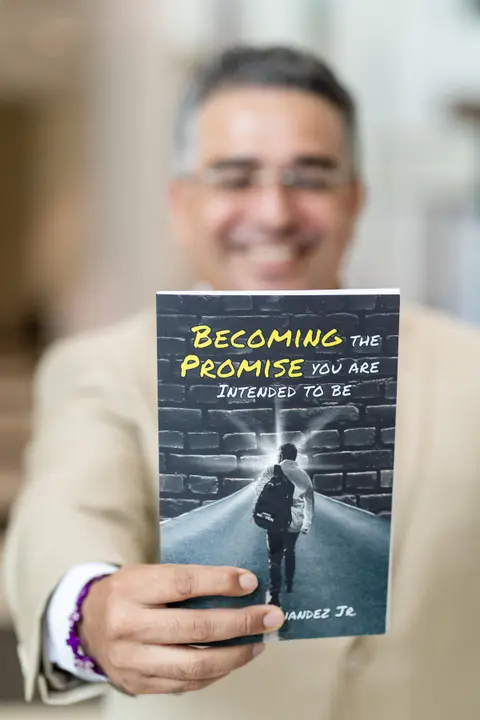
Download the free PDF copy of Becoming the Promise You are Intended to Be
00:00 - Fear Shows Up First
00:22 - Meet Monique Lewis And Her Mission
02:28 - The Lightbulb Moment Behind Language PPE
04:25 - Entrepreneurship By Necessity At 43
09:20 - Terror To Confidence And Failing Fast
22:21 - Selling Safety To Bleeding Green Leaders
29:29 - Learning To Read People Fast
37:42 - Functionality Over Fluency In Training
45:00 - Why The Name Next To Native
48:28 - Two-Way Language And Culture Change
01:00:16 - Where To Find Monique
01:01:39 - The Promise She Intends To Be
Fear Shows Up First
SPEAKER_00She says, Nikki, whenever you try something new, fear will greet you first. Nod and keep moving. That was the second part. She said, nod and keep moving. And I was like, okay, so fear is not an indication that I'm necessarily doing something wrong or that I'm out of my depth, which I was. But it doesn't mean I shouldn't keep going.
Meet Monique Lewis And Her Mission
SPEAKER_01What is going on, LM family? I am super excited to be bringing you another phenomenal guest because she is a baller. She's making stuff out there happen in a very meaningful way for a very specific demographic of our industry that has a special place in my heart. So, first, not only is she the founder of Next to Native, where they reduce the language-related safety risks on job sites. I don't know if you can decode what's going on in there, but she's also an award-winning gangster. She got the Community Impact Award from Carolina's AGC. She also got the Shining Light Through Media Award from another super awesome thing. My friend, I hope. You know what? Too bad. If you don't like it, I'm gonna call you my friend. Her name is Miss Monique Lewis. And like I said, she's got energy and she's been putting it out there to make lives better in the industry. And we're gonna get to know her. Now, if this is your first time here, this is the Learnins and Missteps podcast, where you get a front row seat to experiencing, understanding, learning how amazing human beings just like you are sharing their gifts and talents to leave the world better than they found it. I'm Jesse, your selfish servant, and we're about to get to know Miss Monique. Miss Monique, how are you?
SPEAKER_00What's going on? I'm well, glad to be here.
SPEAKER_01Oh my goodness. And so you're in the Carolinas. Are you like the North or the South Carolina? Or does it matter?
SPEAKER_00In the Raleigh area of North Carolina. So we're in the area that is bipolar when it comes to weather, but we have it's a nice area, but they do a lot. Yeah, yeah.
SPEAKER_01Oh, yeah. I've been up to Raleigh a couple times to visit folks out there in the industry. Oh my god, I'm so excited. And I know the intro, I was purposely kind of like avoiding being super precise about what it is that you do.
SPEAKER_00Okay.
SPEAKER_01Um, so I let's just get started easy.
The Lightbulb Moment Behind Language PPE
SPEAKER_01Why did you decide language is PPE?
SPEAKER_00That's a long I'm self-editing to make it shorter, but I'm gonna tell you to be honest with you. I didn't expect I didn't know. I wish I could tell you there was some long plan where I was executing along the way. I really didn't know, didn't really see how my expertise really fit for a long time.
SPEAKER_01So
SPEAKER_00the way that I came to entrepreneurship was unexpected. It's not if I had planned it, I wouldn't have done it like this.
SPEAKER_01I get it, I get you.
SPEAKER_00I wouldn't have, but it is what it is. It wasn't until I talked to Caroline Brigman at the C A E C
unknownwas
SPEAKER_00then their education coordinator, and she told me about a fatality on a job site in Charlotte. And it was due to, in large part due to the language barrier. And that's when that was literally my light bulb moment. Prior to that, I was new to the industry in total. I was brand new, so it helped me to see the connection that I had not previously seen. If it weren't for that conversation, I tell her, I told her often, she was the linchpin for me, even being in the construction industry. That conversation was that was my entry point, honestly. And I was like, Oh,
SPEAKER_01you said
SPEAKER_00I need to be over here, and then so yeah.
SPEAKER_01Oh, I love it. I mean, I think, or my observation is this, and it's because I'm kind of living it, is when I finally found uh uh a way, a pathway to share the gifts and talents that I had to really help other people, everything got easy. Instead of like saying like the here's the business value and all that, yeah, that's important.
SPEAKER_00But
SPEAKER_01once I was able to really connect it to helping a person, it lit me up. And it sounds like the same thing happened to you. So, what were you doing before that? I'm assuming you were doing similar services or sharing your expertise in the same way, just a different bucket.
Entrepreneurship By Necessity At 43
SPEAKER_00Kinda. I was doing language instruction. I honestly worked for a community college part-time. I'm a wife, I'm a mom, I was raising my children. I was working part-time and I was doing my thing. And to be honest with you, there was something about, even though I wasn't making that much money because I wasn't, it was a community college, you know, making a lot of money. But one thing I liked about it was that it was reliable. I work my hours, you pay me my money. This is a contract that we have. And there was something beautiful about the predictability of it. I had a very support staff mentality at that time. There's no one in my family that are entrepreneurs. I'm the first one. So
SPEAKER_01there was
SPEAKER_00no, there was no, what do you call it, template or track for me to jump on and follow. So honestly, I had no intention of doing this. So there was a point where, as an adjunct instructor, there was a point as an adjunct instructor that they were the college was doing something that was, what do you call it, behind the scenes, their their software, their underpinning needed to be changed. And when they did that, it was unexpected. So they changed our contracts all the way down to the adjunct instructors. They changed them, I think it was with less than a month's notice.
SPEAKER_01They
SPEAKER_00changed our contracts. And when it came down to, which really honestly freaked me out, we were gonna lose six weeks of pay in an eight-week period.
SPEAKER_01Damn, yeah.
SPEAKER_00I was like, How are we going to? I was already working part-time, mind you, and things were always tight, as it is when you have children, you never have any money. So I was trying to figure out how am I how are we as a family going to bridge the gap of six weeks of pay in an eight-week period? So I'm literally sitting in my minivan, because I can rock a minivan. I was sitting in my minivan. And I was praying because I was like, I don't know what we're gonna do. And it just so happened that for that community college, I really did enjoy my job. I I enjoyed, even though it was small and it was part-time, I enjoyed it. And I had put together certain provisions for our population because I recognized that what they did on a test did not translate to speaking. This this concept of learning a language on paper does not necessarily translate to speaking. And I was like, these students need something that they're missing. And I was I went to my boss and I was like, Can I create something? She was like, Yeah. In the van that day, as I'm freaked out praying, I was like, I created something.
SPEAKER_01I
SPEAKER_00need to take it with me and I need to figure this out. So at that moment, it wasn't something that I was like, ooh, let me be an entrepreneur. It was like, you better figure something out, chick. It was really back against the wall. It wasn't this. Some people think you become an entrepreneur because it's in your blood necessarily, or that you have these visions. It was your dream. None of that. My back was against the wall, and I had to figure it out. And I realized in that moment in prayer that I had an asset. So I told my boss, I was like, you know how hard this is, you know that all of us are backs are against the wall. I'm not quitting because I couldn't afford to quit. I'm gonna do my own thing on the side. That's how I started. And I started building it while wifing, while momming, while doing actually a lot of volunteer work, while doing part-time work, and then building this business as well. So I did not expect all that to happen at age 43. Like, are you serious?
SPEAKER_01You're supposed to be cruising,
SPEAKER_00at least cruise level, like something around those, that that idea, but no, I was nowhere near that. It was, I became, I remember thinking shortly after I started the business, I was like, I am busier now than I was in my 20s, and I rocked my 20s.
SPEAKER_01How am
SPEAKER_00I
SPEAKER_01busier
SPEAKER_00now, 20 years later, with now so many more responsibilities and so much more constricted bandwidth? So I was like,
SPEAKER_01Well,
SPEAKER_00get it, girl. You're gonna have to baptize by fire, figure it out as you go, and that's what I was what I did. That's what I'm still doing.
SPEAKER_01Oh my goodness, Monique, thank you for that. There's a lot of real depth there that we're gonna pick at because because you're not the only one, right? And and that's the important thing, is you're not the only one. You figured it out by yourself. I'm sure you reached out to resources and different things, but I know that there's people out there, LM family members out there, that are, have been, or will be in this type of situation. And I think what's beautiful about your story is it's gonna help shine a light on the fact that it's figure outable, right? You said you were wifing, momming, volunteering, and figuring out how to launch this business, how to share this skill asset that you had, because the work conditions shifted, which I mean, hell, there's a lot of that going on. I've seen a lot of posting, right? Like, okay,
SPEAKER_00yes,
SPEAKER_01you can create your own thing while you have all the other stuff going on, which I think is monumental.
Terror To Confidence And Failing Fast
SPEAKER_01Now, I'm gonna go into the mental shifts here because you mentioned you have no entrepreneurs in your immediate circle, nobody in the family. This thing happened, this is out of necessity, and you had to shift gears and like I mean, I'm kind of projecting here because it's like I don't know what the hell I'm gonna do, but I'm gonna try something, let's see what works, and let's go and learn and adjust. What kind of mental shifts, like you within between your ears,
SPEAKER_00what
SPEAKER_01are some of the big shifts that happen in terms of awareness, depth, growth? What are some of those things that happen when you make the decision? I'm going to build this thing, whatever it is.
SPEAKER_00Two things immediately came to mind. I'll be honest with you. The first thought was terror. I was terrified. I mean, that you don't get to be 43 and not have some awareness of what your skills are and what your weaknesses are. If you're being honest. So as I'm looking at this, I'm like, I'm good at being an employee. I'm quite good at that. I know how to I know how to work as a team, I know how to appeal to my boss, and I know how to work things out. I understand how to be a cog and a wheel. I was terrified at the thought of being the wheel. That's the piece that really got me. That I was like, there's no
SPEAKER_01way
SPEAKER_00I can be the wheel. I know how to be a cog, not a wheel. So that was the first thing that had to shift. And I remember my sister told me, I was telling my sister what I was gonna do. She's four years my senior, and she's always supportive of me, whether I'm doing something that makes sense or I'm I'm in the clouds about it. And she says to me, My family calls me Nikki. She says, Nikki, whenever you try something new, fear will greet you first. Nod and
SPEAKER_01keep moving.
SPEAKER_00That was the second part. She said, nod and keep moving. And I was like, okay, so fear is not an indication that I'm necessarily doing something wrong or that I'm out of my depth, which I was, but it doesn't mean I shouldn't keep going. So I was like, something about that. I think she she said it because she believed in me, but I didn't believe in myself. That was the second shift. I was like, can I really do this? And after the first session as the wheel, I cried. I literally cried after the first session because I was like, What do you think? What do you? I said, I think I said this out loud. What do you think you're doing? Because I literally thought there's no way I can pull this off. I was beyond any proof of having impressed myself before. Sometimes you do something and you're like, Well, that was good. This is beyond anything I'd had any right to pat myself on the back on prior.
SPEAKER_01We're gonna do the LM family member shout-out. And this one goes to Miss Mary Grace. Miss Mary Grace, thank you so much. She left this review. She says, Jesse is so engaging, real, and has so many great, tangible examples to share. Thank you for leaving the construction world better than you found it. And so, first, I gotta say, Mary Grace, I got to meet her in person. She suffered through a full-day workshop with me, and then she went and signed up for a webinar that I did on the same subject, just a little uh repeat, I guess, reminder. And she and she didn't hate me, which is awesome. And so, folks out there, y'all already know anytime you take the time to leave a review, do the five stars, the shares, the reposts, and all the things, I super, super appreciate it. But when you do leave a comment or a review or whatever, it gives me an excuse to shout you out in the future.
SPEAKER_00We were in new territory, and I had absolutely no receipts for confidence. None.
SPEAKER_01So
SPEAKER_00that was the first thing that really got me. It was really terror and her saying that, and I had to change my mindset. There were there have been times along the way, and it's happened over and over again, where this new challenge is in front of me, and I have to stop, I have to pray, I have to reset. And I will say to myself out loud, you're a smart chick. You have figured out a lot of stuff, you can do this. Tell just tell myself, you can do this. And then when you get on the other side of it, you're like, Oh my gosh, I did that. You do it again. And that's kind of what it's been. It's not that the fear has gone away because it hasn't. But I now it's a well, it's a well, it's a familiar friend now. So when it comes, I'm like, hey, what's up? Now let's keep moving. Hey, you're here again. Let's go. And it's not something that stops me anymore. And I just feel like fell fast. I remember learning at a uh I went to you know different cohorts and things like that to try to learn a thing because I didn't know much. And I remember there was this phrase shortly after my sister told me that quote, I heard the phrase fail fast.
SPEAKER_01Yeah,
SPEAKER_00go as fast as you can. Why is there there's no I'm gonna keep pushing fear to the side and I'm gonna run. And if I fail, do it quickly so that I can get what I can grab, pull it forward, drop off what I can't redo
SPEAKER_01and
SPEAKER_00keep it moving. And that's really what I've been doing. And that's really what I encourage anybody to do because fear will if you let fear stop you, there's so many things you're capable of that you don't even scratch the surface of.
SPEAKER_01And I just feel like if you
SPEAKER_00even think about it, what if it works?
SPEAKER_01What
SPEAKER_00if they what if they accept my connect request?
SPEAKER_01Uh-huh.
SPEAKER_00They have no reason to, I'm not known. What am I afraid of? I'm out here now, so let's do this. And that's really has been my theme. Fell fast since then. And honestly, I've been genuine, I genuinely am shocked by the amount of people that say my name in rooms I'm not in.
SPEAKER_01Oh, amazing.
SPEAKER_00Genuinely shocked by that. I'm genuinely shocked by the response in the market. Being in these circles, even the awards that that I've received, my company has received, I'm still I'm honest, I'm flabbergasted. Thankful, but still flabbergasted.
SPEAKER_01Uh yes. Oh my goodness. Well, congratulations. And also, you did the work, right? Like, I I totally completely resonate, right? I'm like, how the hell do these people even let me in the room?
SPEAKER_00Holy
SPEAKER_01hell, did I actually do that? That's awesome. I want to do it. Did
SPEAKER_00they get the makeup?
SPEAKER_01Yeah, yeah, yeah. Like, I've yeah, I'm feeling that.
SPEAKER_00Yeah,
SPEAKER_01there's a couple of things that that I think are critically important. I want to kind of summarize for the listener.
SPEAKER_00Sure.
SPEAKER_01Fear will greet you first. Amen. 100% all the time. And what you did, you said, now you know, just expect, and you say, Hey, what's up, fear? I'm driving. Get in the backseat.
SPEAKER_00Okay,
SPEAKER_01you're not letting them fear drive. And I mean, that is like a universal practice because yes, we're gonna get intimidated, we're gonna have self-doubt. That's just evidence that you're a human being.
SPEAKER_00Yeah,
SPEAKER_01you don't have to let them drive. Um, and then the the continuing forward, failing fast, just try the thing, right? Yeah, I try to. It's a practice I've adopted, it sounds like similar to you, is when I have when my brain, because my brain does this, it's hard to see now because I'm everybody thinks I'm just crazy and just do stuff,
SPEAKER_00okay,
SPEAKER_01which is true. But I do have the what if, like all the negative stinky stuff.
SPEAKER_00Absolutely,
SPEAKER_01but I don't stop the what if list. I say, okay, my brain is trying to keep me safe, it's telling me what if you got to protect yourself. What if all these bad things go on? But I don't stop. Then I say, Okay, good. Now what if it works? And then I start a second list. And the fact of the matter is, I don't know what's gonna happen until I do the damn thing, and so I gotta do the thing. Some of it's gonna flop, some of it's gonna work, and I get another shot at doing it. If would you agree?
SPEAKER_00Completely, and I'd even add one more piece to it. My brain also now says to me, if you don't do it, will you regret it in a month? Will you regret it in six months? If you don't do it, and worse yet, if you see somebody else do it, and you didn't
SPEAKER_01know it if you
SPEAKER_00thought of it first, and you decided to let fear win, and then you see somebody else do the thing that you could have done three months ago, I'm not okay with sitting with that feeling. I'm not.
SPEAKER_01Oh,
SPEAKER_00yeah. I know on the front end, before that ever happens, if I thought of it, I'm going to do it, and if it fails, I'll learn from it and move on. But what if it kissed off and does amazing things? I don't have to worry about someone else having picked up on a thing that I was too afraid to do.
SPEAKER_01Yeah. Oh, and I imagine because you you feel like you're a mission-driven human being. You won't you really want to keep people from dying because of a language barrier.
SPEAKER_00Yeah.
SPEAKER_01So do you ever feel like, man, I it's a responsibility. You have to do the thing because if you don't, nobody else is.
SPEAKER_00There are two things that come to mind, and if I can tell you a quick story, because this is even before construction. I remember in one of my courses, there was a woman in that course, in her country, she was a pediatric cardiologist.
SPEAKER_01Wow. Okay, big time. Yeah.
SPEAKER_00So she's smarter than most people she meets, including me. And because she couldn't say what she knew in English, it was as if she didn't know it, which I don't think is fair. I have run into so many students that, and these are grown people, even throughout my career before stepping into the construction industry. I always worked with adults. And watching them struggle, you know. I imagine if you threw me into Japan, I don't know any Japanese, I gotta find a job, I gotta get my kids in school, I gotta find somewhere to live. That is my words leave me. That is a burden that can drive someone nuts.
SPEAKER_01Yes, and
SPEAKER_00then they can't even order food. And oftentimes in the US, if we're being honest, the way a person is treated, if they don't speak English well,
SPEAKER_01yeah,
SPEAKER_00you it's almost like you you are not deserving of self-respect. You're not deserving of respect, and it makes you question your own self-respect. I've watched this play out with adults, and I say to them, I'm so sorry, because you shouldn't be treated this way just because you don't speak English well. Most Americans are monolingual, most people born here are monolingual, they have no idea what it feels like to know a thing and not be able to say a thing, to have a thought, have a feeling, and not be able to express it. So when I saw that, I'm like, man. So I even after learning the language, that when I was at the beginning of learning Spanish, I remember having times where I was like, oh my gosh, I understand what's happening and I have so much to say, and I can't say any of it.
SPEAKER_01Or I would think it,
SPEAKER_00I would think in English, I'm funny. In Spanish, I'm not, because I can't even tell you joke. So it's like,
SPEAKER_01oh my God, yes. I
SPEAKER_00don't even get to be me in Spanish until I learn Spanish. Do you know what I mean? So there's a lot of one, even that student that I was talking about, as we were going through teaching her, I had the pleasure, the honor of teaching her. I met her twice. The first time I met her, I mean survival mode, fear for her that was trying to just make
SPEAKER_01it.
SPEAKER_00As she learned the language, I met her again. She was a really sweet person. When I first met her, I didn't think she was nice, she was scared.
SPEAKER_01Right.
SPEAKER_00I met her again. I'm like, wow, okay. So when you take that to now the industry that we're in construction, and then you add this incredibly difficult and dangerous work that we're doing, and you see people sitting in toolbox talks and safety briefings, and they really don't know what's going on. Now their life is in danger. It's not just a matter of all of the day-to-day dealings or no respect and having a hard time functioning through life. Now they're nodding through safety briefings because they need that job. They need that job. And they're nodding and saying yes and giving a thumbs up, and then they're they're they go out to the field looking for cues and clues to figure things out, and sometimes they do something, and sometimes they misunderstand something that can mean their life.
SPEAKER_01Yeah,
SPEAKER_00so the two kind of converged, and I was like, Yeah, I definitely I have to do this because when I looked out in the market, I didn't see most contractors we talk to, they haven't even considered this. So part of my whole deal was not just doing the work but educating ones to understand why the work is even there.
SPEAKER_01Yeah.
SPEAKER_00So that's twofold. And yeah, that it takes a lot of work. It has taken a lot of work. I've been thankful for the results, but man, that was a lot to take on, but I believe in it.
SPEAKER_01It's coming through. It's coming through, Monique. So Earlier you talked about a gap that you saw in the curriculum that you were delivering. And that was that was kind of the the nugget or the nut you went to crack, which it sounds like you have. And I also understand like teaching to adult learners is not the same as your traditional approach to teaching. So we'll come back to that.
SPEAKER_00Yeah.
Selling Safety To Bleeding Green Leaders
SPEAKER_01Yeah. We're gonna come back to that. But first, I want like when you decided, okay, I'm gonna go into construction. People, I know there's a proof, there's a case of somebody dying due to a lack of understanding the language. And your messaging is hey, let me help you make sure everybody's safe and productive on the job. And so, because of that, I'm assuming that every contractor you talk to is like, oh my god, we've been waiting for you. Please come in and do this right now. And you had a line of 300 people. No,
SPEAKER_00you almost made me snort. No. No, that would have been nice.
SPEAKER_01No way. You mean even the companies that say safety first, they're not saying, Oh my god, this is what we need. No,
SPEAKER_00no, and you wouldn't be sorry for being facetious. But no, I mean that would have been lovely. Here's the thing. There are two ways to approach a thing. And oh my gosh, you made me snore. Okay. There are two ways to approach a thing when it comes to presenting this to a contractor.
SPEAKER_01Yeah.
SPEAKER_00When the way I come at this topic is I call it bleeding heart because it directly to the heart. I can see it, it's a human, it's a human issue, but not every contractor is looking at it like that. I think that this even this turn toward mental health has made it so that more contractors are like, oh, I need to see them as a person. So I think we're moving that way, and I'm glad to be a part of that charge. But that helps us to understand that many contractors are not thinking like that at all. That's a new way of thinking. Person first. Now we're into this, what is it, total worker health models, and you know, I'm so glad we're moving in that direction. So they're not naturally a bleeding heart, they're they bleed green in the sense that you need to show them. Stay with me.
SPEAKER_01Yes,
SPEAKER_00you gotta show them where the line item is. So you can't come at them with, imagine this was you, imagine how hard this would be. Let's keep everybody safe. Everybody makes it home. To some contractors, that falls on deaf ears. Now that hurt my heart, honestly, when I first realized it. Okay. So I'm like, I've got to try, I've got to shift the paradigm. They need to see this a different way because otherwise they're like, Oh, I don't care about that. I don't know what it feels like to
SPEAKER_01not
SPEAKER_00everybody needs to be speaking English. There was one G G C that I spoke to, and this I had to catch myself so that I didn't show a reaction like on my face. The the comment was I felt if you if you're in the US, you need to speak English.
SPEAKER_01Oh, yeah. I
SPEAKER_00said, Okay, everyone's entitled to their opinion. So this was not a moment where I was gonna start preaching and let my bleeding heart side come out. As I was about to talk about bleeding green, she turns and she says, But when everything was going on with ice coming on sites for construction, she said, and no one showed up to my job sites. I care about that.
SPEAKER_01Uh-huh.
SPEAKER_00And I was like, Okay, you just gave me the pivot. Let's talk about the green. Because even if you don't feel it, like if you don't think that's a thing, okay, it is a thing, and this is how it affects you in the language you can understand, still talking about language. We can't talk about the language of bleeding heart. We've got to talk about the language of green. So when we talk about rework, cost overruns, near misses that never get unpacked until they hit, and then it's too late. We talk about fatalities. What does that cost you in your EMR? What does that cost you in your workers' compensation rates? What does that cost you in your reputation and your abilities to secure future work? Now I'm speaking your language, but it's the same thing.
SPEAKER_01Yes. Oh, I so two things. You probably don't have the time to do it, but I think you should could do a whole course on speaking. What'd you say? Speaking to the people that bleed green. I freaking love that idea. Because like full disclosure, I used to be that guy.
SPEAKER_00I
SPEAKER_01didn't care about people, they were just freaking things I had to deal with to execute a task so I could finish on budget, under budget, ahead of schedule and get my bonus. You
SPEAKER_00would not
SPEAKER_01that way anymore.
SPEAKER_00Yeah.
SPEAKER_01But if you were gonna talk to me about how to treat people well, you had to talk to me in terms of production, like how it would increase production. Then I cared. Now it's a different thing, and so framing it like that, like some people bleed green, that's all they care about. So talk that language. The other thing, I see a similar, not the language barrier in terms of like English, Spanish, or whatever other languages out there. Um, but there's another language, right? And there's so many different languages on out on the job side, and the what what I'm talking about is you got the executives, you got middle management, and then you got the installers. Executives talk about jobs, projects in terms of dollars. Middle management talks about it in terms of hours and schedule. Installers talk about it in terms of units of installation, and so as an installer, when my executive would come and tell me that we're running out of money, I didn't care because guess what? I ain't installing money. And I'm buying pipe.
SPEAKER_00That does not affect me, right?
SPEAKER_01But it's the same thing. We just didn't, we couldn't translate it, right? And the middle management would say, Jess, we're running out of time, we only have so many labor hours to do the thing. I'm like, okay, cool, because I'm not installing hours either.
SPEAKER_00Right.
SPEAKER_01Figuring out how to communicate to the people that bleed green, to the bleeding hearts, to the hours versus install rates versus dollars. That's where the game is at. I at least that's what I think.
SPEAKER_00No, I agree with you because you're not gonna, if you don't talk to me in terms I can understand or things, no, let me change that. If you don't talk to me in terms of things I value, you will lose my ear.
SPEAKER_01That's it. Yeah,
SPEAKER_00why our time is finite, and I'm learning as I'm getting older, my time is valuable. I cannot expend time everywhere. So I'm so ones that approach me, you need to demonstrate value and calibrate it to what I value. Because truly, just because you value it doesn't mean it means a hill of beans to me.
SPEAKER_01So I
SPEAKER_00think it's important for us to speak in terms of what the one with whom we're speaking, what their values are. If we intend to help them to see why they should give us their dollars for whatever reason,
SPEAKER_01it
SPEAKER_00needs to be in terms of what they value. So whether we're whether it's a product or service, you got to speak in terms of what they need from you or what they value.
SPEAKER_01Oh my god. Okay. So there's a mega OG ninja skill here that we need to look at.
SPEAKER_00Okay.
SPEAKER_01You just said you were talking to the construction exec, figured out she don't care about the bleeding heart, she's a bleeding green, and you calibrated, adjusted the context of your delivery for her to be able to receive it.
SPEAKER_00Yeah.
SPEAKER_01And it sounds like you did that in the moment. So the ability to kind of ferret out, pick up on the cues of okay, this is what the person values. Let me repackage the thing I'm gonna say. Where did that come from?
Learning To Read People Fast
SPEAKER_00That's a great question. Two two places. I do a lot of volunteer work, I'm one of Jehovah's Witnesses. And a lot of things that we do as far as talking to people, we knock on a door, we have no idea what's on the other side, honestly.
SPEAKER_01Yeah,
SPEAKER_00no clue. So when that happens, especially, and that's honestly, that's a bleeding heart work um that I've been doing since I was a kid. But when we do that, if someone comes to the door and you're like, I'm gonna say X, and they come to the door and they say Y, you need to fix that quickly. You need to adjust. It also, if you plan to reach them, if a person wants to be spoken to as it is, because we don't force anything. But if a person wants to talk, again, you need to talk in terms of their value, it's really not about you, it's about them.
SPEAKER_01Yes,
SPEAKER_00though, this is not a religious work that I'm doing with my company. This that same principle applies, it's not about me, it's about them.
SPEAKER_01Yeah,
SPEAKER_00the second place that becomes clear is wifing and momming. Why the moms have this, and I don't think I really know. You look at things up ahead of you, and you're like, Oh, I I've got an idea of what that's gonna be like. Sometimes you have no idea. So, marriage is about what I thought it was gonna be. My husband and I will be married 20 years later this month. We'll hit our anniversary. And it's I love him. 97 pure bliss, 3%, I could have sold him for $2. 3%, but 97%, amazing. Okay, but when I became a mother, oh my gosh, it is not about you, it is about your babies. You are building them. And when I think about my children and whatever, especially when they were tiny, whatever grandeur, ideas of grandeur that I had of what I was going to do, all of that got pushed to the side. I needed to quickly assess what I was dealing with and address what is, and look and have it as a view to them being primary. I'm taking all of that into how I run a business.
SPEAKER_01So when I
SPEAKER_00talk to a client or even a prospect, I'm thinking, I'm doing my research. It's not a canned offer. I'm doing my research on what they need, what are their pain points. And I mean, we I think we all learn this in any run-of-the-mill business course, but I really think it's important to really drill down on that. People need to be heard at a very base level, people need to be heard. And just because it's a company that's run by a person who needs to be heard. You
SPEAKER_01know, the
SPEAKER_00frontline workers need to be heard, their middle management needs to be heard. So all of these languages that they're speaking, they need to be heard. So the quicker I can calibrate to that, the quicker we get to what's really going on and whether I can really help you or not.
SPEAKER_01Oh my God. Okay. So there's two things there that anybody can take and apply. Like that don't mean you have to go get married for 20 years, because I'm gonna
unknowntell
SPEAKER_01you, Monique, I'm I that's one thing I will never accomplish. Um based on history.
SPEAKER_00Okay, based
SPEAKER_01on history and interest, right? But what I love to hear in stories and it's coming out in yours, is the the stackable repeatable practices that are universal.
SPEAKER_00Correct.
SPEAKER_01So one is the reps, right? The reps of knocking on doors, and anybody, door-to-door cell, anybody that goes and knocks on doors for even an hour, and the rejection you got to face,
SPEAKER_00yeah, and
SPEAKER_01the things that you learn in terms of adapting and you know, shifting and jiving and hooking and massive value, it may not be fun in the moment. You built a skill from living through that and continuing to do that, which was a matter of reps. You got the reps of the hard work in, which created this super meta skill that you can apply anywhere else.
SPEAKER_00Right. Well,
SPEAKER_01the other thing you referred to wifing and momming and understanding, oh, what I thought was gonna happen ain't gonna happen no more. Shift, which I think I put in a bucket of our life's experience. Uh so many of us, me included, we have overcome, and you've already said this, we've overcome massive things that would crater other people.
SPEAKER_00Yes,
SPEAKER_01and in just the doing of ourselves, like of doing the life thing that we're supposed to do, there are transferable skills and knowledge built within that we can take and apply to other places, which is
SPEAKER_00absolutely
SPEAKER_01I mean, you just said it, that's what you do now. It's part of your business. It is the we'll say in the fabric of next to native, yeah.
SPEAKER_00Absolutely.
SPEAKER_01Oh my god, okay, good. You you LM family, y'all need to go back and rewind and take notes because Monique is she's dropping bombs for you guys out there.
SPEAKER_00I'm trying.
SPEAKER_01Oh, okay. So we opened up a little loop earlier in terms of the gap, right? And I'm gonna assume, based on the story you were talking about of the physician, that the
Functionality Over Fluency In Training
SPEAKER_01work or the way you do the work that you do is not just in construction, or maybe it is primarily now, but it wasn't always
SPEAKER_00right. And
SPEAKER_01so, what I'm really curious about is the gap that you saw. Now, I don't want you to give all the secret ingredients, but what was because there's an important point there I want to come back to, but what was generally the gap that you saw that you said, man, if we did it this way, it could be more gooder for people.
SPEAKER_00I would boil it down to two different factors that I saw. Um was this we had students at this time at this community college, they were testing well, and as I know that language is not new to you either. There are times where when it comes to skills, you have reading, speaking, listening, writing. Most people are better at reading than they are at speaking because they can see the words, and there's so many similar words written between English and Spanish. You can decode your decoding skills, can really get a time to show. So I was noticing they were doing really well on tests, but when I was stopping them in the hallway and I go, Hey, how are you? How's it going? Deer in headlights. And I thought to myself, okay, and this is no no shade to the community college. I know we're the funding is probably based on the scoring and you showing a gain and all this stuff. I get that, but when I'm looking at what they're going to do when they step out of here, how employable will they be? How will their lives improve if they have this stellar score, but they can't speak?
SPEAKER_01Uh-huh.
SPEAKER_00That doesn't add
SPEAKER_01up.
SPEAKER_00They need to be able to speak. That was the first thing that really stood out to me. The second thing, a lot of times when we think about formal language training, I call it very, hello, how is everyone today? That is not how people speak.
SPEAKER_01No, not at all.
SPEAKER_00You learned all of this very, hello, I'm doing well today. No one speaks like that. So if you're training your ear, you're calibrating your ear to that formal way of speaking, and then you get out in the world and people say things like, What's up, what's good, how you live, and
SPEAKER_01then
SPEAKER_00you don't know what you're hearing, and you don't, you certainly don't know what to say back.
SPEAKER_01Yeah. So
SPEAKER_00those are the two gaps. I was like, no, we're not helping them. Because if they can't speak and they can't, they can't train the ear and understand how to calibrate to what they hear versus what's in a book, how are they gonna how are they gonna advocate for themselves? How are they going to get a better job? How are they going to express a concern? How are they gonna express a desire? How are they gonna say more than where's the bathroom? What how do we get past that so that they can function better because that doesn't help them function better? It helps them score well. Where outside of the walls of that tech community college, that is not helpful. I can't get they can't get a job based on the score that they scored in some in-house test at a community college. So I really saw a gap for them being able to function in life
SPEAKER_01outside of
SPEAKER_00the walls of the school. So when we when I stepped into the construction space, the goal was the same. It is not about fluency, it is about functionality and training your ear to what actually occurs, what you actually hear on the job site and in real life, so that you can function within it. Because this whole all of this doesn't help you function, doesn't help you function in real life. It just doesn't. So there's all these, and you think about people who do see the iceberg, the tip of the iceberg, if you will, and they're
unknownlike,
SPEAKER_00Yeah, we need to learn. And then they go to different learning apps. I applaud the effort, I really do. Yes, app not give you real feedback. That app is teaching you a very this version of the language, and when you get out there and listen to someone native, you have no idea what they're saying. That's the problem.
SPEAKER_01Yeah, yeah. Well, and you so you see the gap. One thing I I'm gonna steal it. Well, I already just so you know, I'm a big thief.
SPEAKER_00The
SPEAKER_01bleed green idea,
SPEAKER_00yeah.
SPEAKER_01I'm I'm sticking with that. The other one, fear will greet you first. Um, that's gonna be a neck tattoo by next week.
SPEAKER_00I can even credit that to my sister. That's not even mine. You can credit that to my sister, Monica. That is amazing, yes.
SPEAKER_01Yeah, that is solid, and then functionality over fluency, right? Because too much time we spend. I mean, hell, I used to do it, and I had one client tell me, like, Jess, you knowing all the terminology and all the steps and the processes and all that crap, everybody else knows that too. What we like about you is you get our people excited and they actually do the damn thing, you know, like, oh okay, so I could just speak regular
SPEAKER_00and hell.
SPEAKER_01So functionality over fluency, that's gangster. Um oh my god. Now, another something that you've done that I want to pull out so that the LM family can see it.
SPEAKER_00Okay,
SPEAKER_01is you saw the gap. You saw the gap, and so and I'm gonna say most people see gaps everywhere they go. Most people like to complain and point fingers at the gap and say it's stupid, it doesn't work, it could be better. Well, that's easy, right? An opinion, they're like ideas, nobody really cares until you do something about it. And so you identified a gap. You didn't need research and rubrics and shit to decide to do something about it. You said there's a gap, I'm gonna do something about it. Am I wrong?
SPEAKER_00No, I mean it would be different if I saw the gap and had no expertise. This was a gap that I saw and had expertise that could match it. So to me, that's two puzzle pieces. Why would I not put them together? But like I that would be irresponsible not to put them together. It would be different if I was like, oh, uh, we need to do XYZ, and I have no experience in XYZ, then I'm gonna have to nudge somebody else and say, Hey, did you notice that? But I would go to someone who had receipts for it. If I'm in possession of said receipts, I need to get my life together and do the thing, do what I need to do. So yeah, I felt like it was more two puzzle pieces, and I just didn't see it yet. I just didn't know they went together.
SPEAKER_01Right, right.
SPEAKER_00I couldn't unsee it. And then when I thought about the implications of it, I was like, Yeah, this is a rabbit hole. I'm gonna have to, I don't know what I'm doing, but I'm going down. I'm going in.
SPEAKER_01You gotta do it. It's a claim. Yeah. Oh, I love that you said irresponsible.
SPEAKER_00Yeah,
SPEAKER_01because it reminds me of all the years where I could see the gap and I knew what to do about it. And I was just irritated that nobody else was doing it, they didn't know what to do about it. No, no, still
SPEAKER_00no, with this particular topic, they're at a loss. Yeah,
SPEAKER_01yeah, yeah. And so I fought against it. That's not my job, that's not my job. That's somebody else's. That's their part. That's the the the spiritual drain it had on me was massive.
SPEAKER_00I can imagine.
SPEAKER_01Until I took responsibility, I had the capability, I had the insight, I had the experience, I saw the problem. Stop freaking whining, Jesse. Do something. And when I started making that decision, it's been it's been rainbows in unicorns ever since then. No, not really, but
SPEAKER_00delicious. Yes,
SPEAKER_01it's been way, way better. Oh my goodness. Okay, now next to native, how'd you come up with that name?
SPEAKER_00I I was so proud of that name.
SPEAKER_01I love it.
SPEAKER_00Because
Why The Name Next To Native
SPEAKER_00okay, I'll tell you honestly, when I was first trying to figure out the name, the word native was the word that like called to me. And I kept thinking of like native tongue, native speech, native blah blah blah. And all things were taken and I couldn't have them. Okay, so when I came up with next to native, I thought of I thought it was a descriptor of me. I speak Spanish very well. I am fluent in Spanish, and when I speak Spanish, it's so deliciously confusing to other people, and I find it personally entertaining.
SPEAKER_01Yeah,
SPEAKER_00because people
SPEAKER_01look like what the what she
SPEAKER_00looked like a black woman, and I'm like, correct. And
SPEAKER_01when
SPEAKER_00I speak Spanish, they're like, wait a minute, what? And I just oh, that never gets old. Okay.
SPEAKER_01Oh, I love it. Even
SPEAKER_00though I speak it fluently and I speak it very well, I don't speak it perfectly. I'm not native, I'm next to
SPEAKER_01native. Oh, and
SPEAKER_00also this matter that I mentioned earlier, it's not about fluency, it's about functionality. So
SPEAKER_01even if we
SPEAKER_00take it to the point where we got you fluent, because some there's a company we were just talking to about that, a GC or a contract, a mechanical contractor we just signed with, who has thoughts of future getting it to where they can build skills and so forth and get to a point of fluency. That's not important to everybody, but even if we got you there, it is not reasonable to expect that whatever your chronological age is, that's how old your heart language is. So I'm 47, that's how old my English is.
SPEAKER_01Yeah, yeah.
SPEAKER_00My Spanish lags behind it by 25 years.
SPEAKER_01Oh, yeah.
SPEAKER_00How can I expect those to be at the exact same level? I'm not gonna be native in both. I'm native in English, I'm next to native in Spanish.
SPEAKER_01Oh
SPEAKER_00so it helps us to kind of calibrate expectations. Are you expected at 50? Because you know, a lot of our students are gonna be anywhere from 25 to 50. Some have TBIs, some are the most of them are married, got children, run a full time job. Is it fair for you to expect to be fluent, native level?
SPEAKER_01Yeah,
SPEAKER_00that's not
SPEAKER_01reasonable.
SPEAKER_00That's unreasonable. So it actually speaks to like an like a whisper underneath expectation. It's not expectation for you to be native in your second language at 45, it is reasonable that you could be next to native, that you could be functional, and that you can get to a point where you can communicate and you can connect with someone who does not speak English with the skills that we give you, and you can absolutely, and it speaks to I don't want to jump too far off the track on this question, but it speaks to company culture. I see you. We've been talking more about belonging, mental health, all of those things. It laces into all of them. We call it the through line, it goes through all of those things. And when you recognize, oh, I can accomplish those things, and I don't have to be fluent. Now let's get it. Now let's see what you're capable of because now your expectation is more realistic. And then you more so see yourself, oh, I can do this. Yes, yes, you can. Yeah,
SPEAKER_01yeah, yeah. It's not 3,000 steps away, it's three or four steps. Yeah, we're gonna get close. We're gonna get, oh my goodness. I love amazing branding, amazing. There's so many marketing opportunities. Just brilliant. I'll just say that. Oh,
SPEAKER_00thank you.
SPEAKER_01Yeah, totally. Now, what are your thoughts? I have this opinion because you said it earlier, right? They should actually, it's one of my notes here on my super professional prep for our conversation today. I
Two-Way Language And Culture Change
SPEAKER_00love the colors.
SPEAKER_01It is like the idea of they should speak English. This is the US. My opinion is this, and it comes from a lesson I picked up early in my say teens, late teens, and early 20s.
SPEAKER_00Okay.
SPEAKER_01But I know that when I started because I didn't start speaking Spanish until I started working in construction. I was I just graduated high school and I had to because the guys spoke Spanish.
SPEAKER_00I did not know that. Okay.
SPEAKER_01Oh, yeah, no, yeah. I didn't even know that.
SPEAKER_00Okay.
SPEAKER_01Here's a funny story. I was in a mariachi performing choir in middle school.
SPEAKER_00And we'd go
SPEAKER_01travel and oh yeah, but I didn't know what the hell I was singing, but I could sing.
SPEAKER_00You're like, it sounds good.
SPEAKER_01Yeah, yeah. Come on, Christine. I don't know what the words mean, but I can see and so I my my mom purposely she didn't teach us in Spanish. We didn't speak Spanish at home because when she was in school, if she spoke Spanish, she got in trouble.
SPEAKER_00Correct. Like
SPEAKER_01right, and so she's like, we don't want you to have that. So all we did was speak English, got into the industry, and like, oh man, I need to learn this. And I was horrible at it. I still, in terms of fluency, Monique, I could dance in Spanish with extreme fluency.
SPEAKER_00You and me both were. Speaking of
SPEAKER_01it, not so much.
SPEAKER_00We'll work on that, but okay.
SPEAKER_01Now, I know that when I started learning and practicing Spanish, my ability to perform, lead, contribute went super, super high. Like my career, the opportunities, the responsibilities, my ability to influence expanded dramatically because of some people might qualify as bilingual, I'm still not, but it's better than most.
SPEAKER_00And
SPEAKER_01so my theory is this yes, do we need non-English speakers to better be able to speak Spanish? I mean, speak English? Yes, it would help dramatically.
SPEAKER_00Yeah,
SPEAKER_01and what about the English speakers learning Spanish? I think if we like if everybody put in some effort to learn the other language, similar to the idea of dollars, hours, and install units, things would be better. What do you think about it? Is that crazy, or have you seen that? Do you help facilitate that in any way?
SPEAKER_00That we help facilitate all of that. I mean, that's really the the underlying premise of it. We're talking shop, we call it top-down, bottom-up. That's what we've turned on.
SPEAKER_01Okay.
SPEAKER_00Okay. It is this concept of two-way communication. And we when you did this, that's actually something that I use where I'm describing them evening the playing field, if you will. Because you have the bottom-up where you have the frontline workers as they're learning, they're not speaking English perfectly, but they're trying. Then you have the leadership, they're not speaking Spanish perfectly, but they're trying. And with that, we call it the air of try. When you both come like that, what happens is no one's speaking it perfectly. So let's all just get on in there and do our thing. And what it communicates is, I see you. The leadership says, I see you and I'm trying. Frontline crew say, I see you, and I'm trying. That literally, we've watched it shift company cultures. And the thing I love, the thing that's so yummy about it is that there are times where you have incredible information that is siloed on different sides depending on what language you speak. So for a contractor, this is the bleeding green part. I will say to
SPEAKER_01them,
SPEAKER_00Are you aware of what other skills your frontline workers have?
SPEAKER_01Because many of
SPEAKER_00those frontline workers have a lot more skills than what you have them doing. So
SPEAKER_01instead
SPEAKER_00of spending the money to post a new job, hire for a new job, retrain, why can't you show value, invest in the person you already have, figure out what else they know, pay them accordingly, and that saves you tons of money? Just that. Oh,
SPEAKER_01yeah.
SPEAKER_00And then you think about coordination, you think about keeping projects on time, keeping in budget, when you can then have that information cross over and it's not just siloed, sitting there, leaking out. What does that do for your team cohesion? Like the residuals, that's exactly what we do. And we also do this leadership training. I just I was just in Charlotte a couple of weeks ago, and this was a training for all their leadership, not just the ones that were in our cohorts. Because the truth of the matter is it takes a mind shift.
SPEAKER_01Yep.
SPEAKER_00Because we do have some internal, what is it, prejudices or uh biases a better term?
SPEAKER_01Yep.
SPEAKER_00Biases, because they're not necessarily as malicious as uh a prejudice, but it might just be a bias that we're holding that we just were like, I don't know what to do with that, so I'm not gonna touch it. No, let me give you some tools so you can touch it, you can cross it over and you can ease those communication issues even before you even get into language acquisition. There are things that we can do in the way that we communicate
SPEAKER_01that
SPEAKER_00help us to work with someone else who doesn't speak our language. So even in our leadership training, we attack that because this can be done. Just some things that you may not know to help you to do it.
SPEAKER_01You just let me help you, let me show you how to access that and you have that insight.
SPEAKER_00Oh,
SPEAKER_01that is spectacular. I especially love the fact you pointed to it, right? If I'm how I started practicing, there was an electrician, I was a plumbing apprentice, he was an electrician, apprentice, and all he spoke was Spanish, and all I spoke was English, and I'm like, bro, I'll help you, you help me. He's like, Yeah, hell yeah, because we were that way. And I remember the first time I tried, he's like, Jesse, he said in Spanish, you speak like an illiterate Mexican.
SPEAKER_00You were like, Oh,
SPEAKER_01and I was like, Bro, I'm glad you can roll your R's because if you couldn't, I'd have punched you in the mouth. But it was a true assessment. He thought because I I was it was choppy, I don't just it was accurate, but because he was willing to practice in English where I could tell him we could, it just lowered my defense, knowing that we're like, okay, you're trying, I'm trying, you're not gonna make fun, you're not gonna judge me or critique me.
SPEAKER_00Right,
SPEAKER_01and I can also help like this is like co-learning, it was it was a game changer. And so to hear that you're accomplishing that with firms out there, that is ultra like we need that everywhere.
SPEAKER_00And what she said, drop your defenses, that's huge. When you drop your defenses, that's the thing that helps you to really grow, and that's the thing that helps that company culture really evolve. Because dropping your defenses means you're open. Because I think one of the largest barriers to one who's learning as an adult, as kids, we don't really care.
SPEAKER_01Yeah, whatever. Yeah,
SPEAKER_00I don't know where at what point in our chronological growth that we get this chip on our shoulders that we're like, I can't be wrong, and I can't be asked to do it. It was seventh
SPEAKER_01grade for me. Seventh grade is when that happened.
SPEAKER_00That's very specific. That's wildly specific. You have to back that, but yeah, we get we when you drop the defenses, then you're like, Oh, not only can I do this, but this feels good. I got this, and oftentimes that's the largest barrier to speaking in another language because there's sometimes when we come in, we do an assessment and figure out where everybody is. And I remember there was one particular cohort where my language trainer was like, Monique, they know a lot of English. And it was like, why aren't they using it? It was lack of confidence,
SPEAKER_01it was
SPEAKER_00a fear of being picked on, it was a fear of being judged, it was a it was that all the barriers were up. So it was like, well, in this case, it's a matter of helping you to build on what you know, but it's also helping you to get the confidence to use what you know because it's already in there. Sometimes that's the barrier. It's not even language acquisition, it's this matter of feeling exposed when you say it wrong or do it wrong. Well, when both sides are doing that and you're going in both directions, then all of that melts off.
SPEAKER_01Oh my, I want to sit in the room and just see that. That is beautiful, so needed. So, props to you for facilitating that. Props to the firms that are open to even try it, right? Because it's always, hey, fix them. I shouldn't say always. The the the general most of the time it's hey, come fix my people, not hey, come fix, come help us do better together. That's amazing. So props to them.
SPEAKER_00Well, I'm gonna tell you, if I may interject there for one moment, what we're seeing, I've actually been really surprised by, delighted, obviously, not just for our business model, but for people. Because I think that smart contractors out there are recognizing what our workforce looks like today.
SPEAKER_01Yep,
SPEAKER_00not what it looked like 50 years ago. Because the BGC are operating on what it looked like 50 years ago, they're not recognizing the language changes, they're not recognizing that women are coming in, they're not recognizing neurodivergence, they're just like this to all of it.
SPEAKER_01But
SPEAKER_00the ones that the ones that kind of highlight themselves to us, because we're looking, I think we're looking for each other. The ones that stand up and go, yeah, this is a term I've heard recently, actually, out of two that are in our orbit, they say they want to be the preferred contractor for Hispanic workers. Why? Because they're smart enough to see the pipeline that culturally, if the father does it, so does the uncle, so do the sons. When we think about the shortage in the industry, many contractors are not recognizing this pipeline. If you set your processes onboarding all the way down to when they safety training all the way down when they hit the site, if you are more inclusive there and you actually address this language barrier, you're gonna get a stream that comes in because the industry is changing. In our area, it's maybe 30, 40 percent. The further west you go, it can get up to 70.
SPEAKER_01Oh, yeah.
SPEAKER_00In a few days, I'll be speaking at a conference in Texas, the Beyond the Hard Hat Conference.
SPEAKER_01Where's that at?
SPEAKER_00It's in Waco, Texas.
SPEAKER_01Oh, okay. I'm in San Antonio.
SPEAKER_00Oh no, well, actually, we'll be expanding our anniversary in San Antonio because it's right. I'll speak on the 17th. The next day is our anniversary, so we'll be in that area for a while.
SPEAKER_01Okay,
SPEAKER_00but the thing about it is the further you go west, there are many contractors there, 60, 70% of their workforce is Spanish speaking. So for you not to address this, you're literally turning a blind eye to a pipeline where your if you address this, your projects will be manned. Maybe the contractor next to you won't. They're still battling this this shortage because it's in our face. But if you catch this, you become the preferred contractor for this demographic, you're doing yourself a favor. It's really self-serving. You know, again, bleak green is self-serving.
SPEAKER_01But it's green, yeah. And that like that's okay. I love, I don't think I've heard anybody say, I want to be the preferred, hell, that's the first time I even heard the idea of I want to be the
SPEAKER_00first one.
SPEAKER_01I've heard it from contractor. The number of cases that are
SPEAKER_00saying that is growing because they are seeing anytime we have a huge adjustment in the workforce for whatever reason, right now, AI is the thing that's shaking everybody up. Um, but even prior to that, I think many years ago, we were encouraging our children to go into white-collar work, and we did it for a long time. We looked at blue-collar work as the thing you do if white-collar doesn't work out. Well, now the number of electricians, the number of plumbers, all of these trades are suffering because they're like, we need people now, and now we're all afraid of this shortage. So that's another thing that we're all thinking about. And it's the smart GCs, it's the smart contracts that are live. This is a hidden gem.
SPEAKER_01Yeah,
SPEAKER_00I need to get into that. And those are the ones that are looking for us, and we love to be found by them.
SPEAKER_01Oh my goodness. Okay. Well, I promise you, I work with a lot of people out there that could benefit from your services, and I will be telling them about you, Miss Monique. Now, now I'm also pretty damn
Where To Find Monique
SPEAKER_01confident that somebody's gonna listen to this episode and say, Man, I need to talk to Monique. So, where do we send them? If they want to get in touch with you, they want to get your services and have the cultural transformation and implement this massive strategy you just kind of loaded out there. Where do we send them?
SPEAKER_00I hang out on LinkedIn. That's my favorite place to be. That's where audiences who are looking for me and can appreciate what I do and my content are. So absolutely looking for me on LinkedIn, you'll find me active there often. They'll have many things they can comb through and kind of see what we're all about. We're very, we're very active on LinkedIn. I'll be honest, I'm not on a lot of other we're on other social channels, but again, our audience is on LinkedIn. So
SPEAKER_01that's what we
SPEAKER_00mostly are. So to get to me, the quickest there. Obviously, our website, next to native.com, and the it's a two. The two is it the number, the number two.
SPEAKER_01Number two, yep.
SPEAKER_00Uh, next to number two, we're native.com. So yeah,
SPEAKER_01they
SPEAKER_00can find us there. But yeah, if they're looking for me individually, look for me on LinkedIn. I check it often, it's kind of where I hang out.
SPEAKER_01I love it. Okay, so I'm gonna make sure we have the links in the deal in the show notes and whatever, so that they can connect with you. Which brings us to the Grand Slam home run question, Miss Monique. Are you ready?
SPEAKER_00I think so.
SPEAKER_01Okay, what is the promise you are
The Promise She Intends To Be
SPEAKER_01intended to be?
SPEAKER_00The promise I'm intended to be. If I understand your question correctly, and I hope that I do, if I don't, just help me. The promise I'm intended to be is the promise of making it so that we see each other for what we really are, and that we adjust to that, we calibrate to that. Because at the end of the day, we're people. No, it's not your uncle, your aunt, your daughter, your dad, but it's somebody's uncle, aunt, daughter, and dad, you know. Everybody deserves to make it home. So even though there's cultural differences, there's language differences, my promise is to help you to see the person that's in front of you for the person that's in front of you. Did I understand the question correctly?
SPEAKER_01You absolutely nailed it, Monique. That was yes, yeah. Oh, I love that. I so and it bleeds through just in the whole conversation today.
SPEAKER_00Yeah,
SPEAKER_01the work that you're doing out there to transform the industry and make it better for everybody else. You're fulfilling it. You're fulfilling it to the nth degree. And I, if you can find any excuse to let me contribute to your path, please just let me because you're the kind of people I want to fan the flames on in whatever degree I can. Beautiful. Did you have fun?
SPEAKER_00Oh, yeah. I told you when you first were like, hey, you want to come on? I was like, easy, yes. Because I was like, Yeah, this looks amazing. I'm down.
SPEAKER_01So
SPEAKER_00yeah, I think it's I think it's great, really.


