
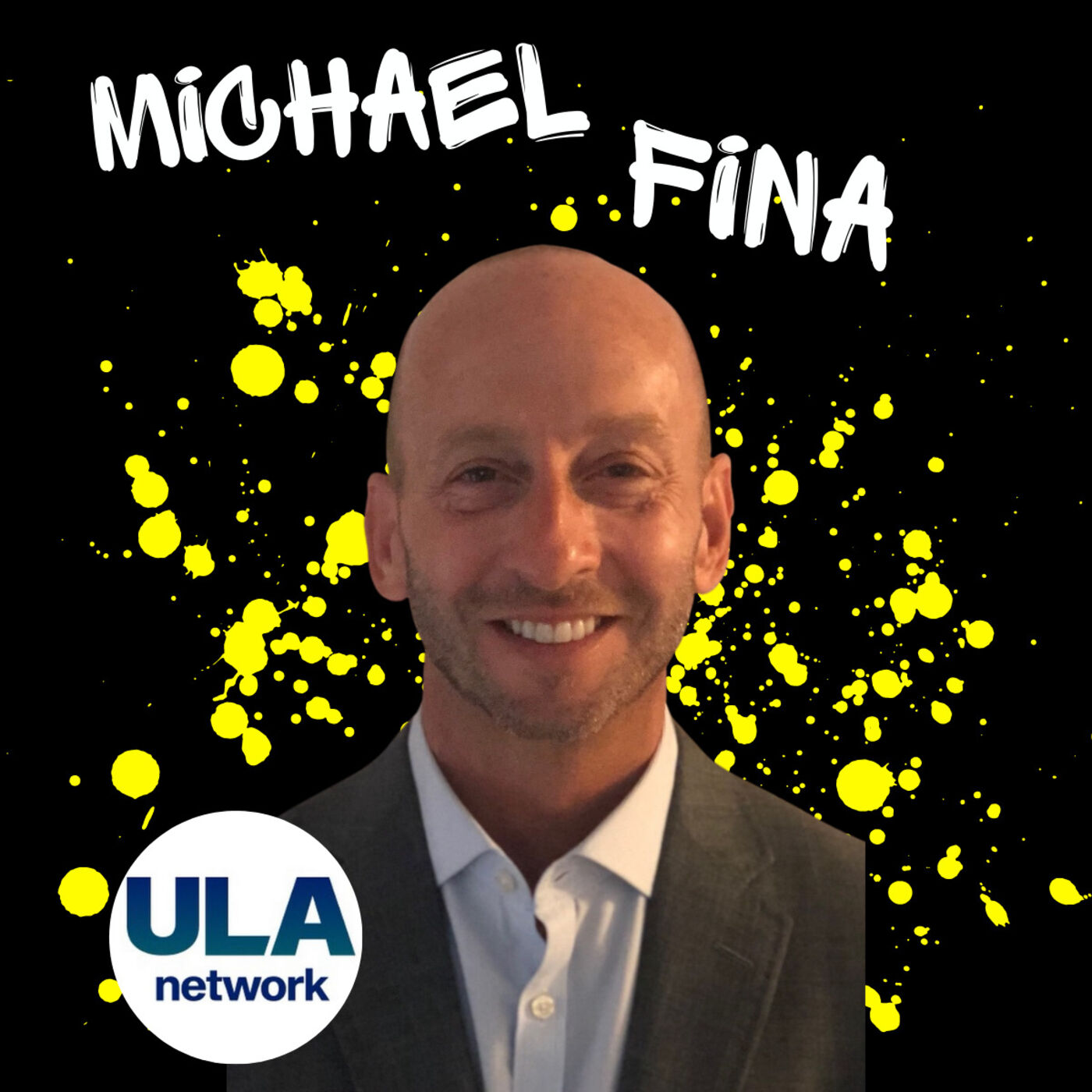
How a NYC Finance Executive is Making a Difference in the Trades Community with Michael Fina

 Apple Podcasts

 Spotify

 Overcast

 Castro

 PocketCasts

 RSS Feed

 Amazon Music

 Audible

 iHeartRadio
With the recent influx of technology and digital innovation, every business in every industry has the opportunity to become more efficient, sustainable, and optimize their processes. People in the trades are no exception! So, what happens when you mix digital innovation, financial education, and the trades? Here’s a hint… it involves SUCCESS.
In this episode, I welcome Michael Fina, a New York City native who for the past 15 years has been working with LendingClub, a union-founded bank, and The Union Labor Advisory Network to educate and support those in the local union labor community.
Listen in to learn how Michael is supporting his community of tradespeople through services like treasury and case management, as well as what you can do to support your local tradespeople.
What You’ll Learn in This Episode:
· How Michael and Lending Club are helping individuals and companies in the trades to optimize their business.
· The immense earning potential for trades workers & The dangers of undervaluing your employees.
· What is The Rotary Club? & The benefits of getting involved.
· Opportunities that have risen and challenges Michael has faced while serving his community.
· Advice for aspiring social media content creators who want to make a difference in their community.
· Michael’s Learning and Misstep: Losing his father during the pandemic & Using innovative technology and community connection to help and serve others.
“As my career has progressed in the world of technology, I just want to make sure that I’m learning every day and providing that knowledge to the clients and the people that I work with and support on a day-to-day basis.” - Michael Fina
Connect with Michael:
Connect with him on LinkedIn: www.linkedin.com/in/michael-fina-667b35
Resources Mentioned:
Learn more about LendingClub: www.lendingclub.com
The Union Labor Advisory Network: www.ulanetwork.com
MOXY: www.themoxyvoice.com
Barbie The Welder: www.barbiethewelder.com
Nontraditional Employment for Women (NEW): www.new-nyc.org
Tools and Tiaras: www.toolsandtiaras.org
Join The Rotary Club: www.rotary.org
Union Strong app: www.unionstrongapp.com
Connect with us:
https://www.learningsandmissteps.com/support/
Proud and privileged that as you start to lurk out in social media and find like-minded original people like yourself to say, you know, you support the trades, uh, you get inspired by what it is that they do and the career opportunities that are there. That's how we really connected. I was like, you know, we we have to share these stories and figure out ways to help you know the clients and organizations that support us.
SPEAKER_01That's Mr. Michael Fina from Boogadown, Brooklyn in the New York City. He's the founder of the ULA network. Let me say that slower because I know my my kind of mumble a little bit. The ULA network. Check him out. He's on all the socials out there supporting the trades. Michael and I connected through LinkedIn and jumped on a phone call to share ideas and get to know each other a little bit. And his commitment to the men and women out there that are serving our communities, all those essential workers out there, trades folks, came through like the Kool-Aid man. If y'all remember that, if you know, you know. And I said, Daniel, we got to get you on the podcast. We coordinated schedules. Finally got to interview him in this conversation. We talk about some cool stuff. One, of course, the earning potential of trade workers and the risk of employers, general contractors, etc., underappreciating the people that are out there doing the work because you know the way things are right now, they can pick where they're going to be providing value. And so show them some love, they may stick around. He also tells us what it takes to be a content creator. Like I just mentioned, he's the founder of the ULA network, and he's leveraging social media to get the message out there and highlight other content creators uh within the trade space. Uh, and it's some pretty darn solid advice. I'll bet you right now it ain't what you think it is. Through the conversation, I think you're gonna be able to understand exactly what I was able to discern in terms of his commitment to serving others. He talks all about how that's he's nurtured and developed that over years and years, and there's a special club. It's it'll be named, you'll hear it, but I'm not gonna tell you, gotta give you a teaser. Speaking of service uh and appreciation, need to give a shout out to our patrons out there that are supporting the cause, that are contributing funds to the Learnins and Missteps podcast. And I got an amazing announcement. We have a new patron, Mr. Matt Gorsuch, just signed up. Uh, he signed up at the builder level, so that's you know, it's a pretty significant uh commitment. Matt, we're grateful to you for for believing in us and contributing to this mission. And just so everybody knows, he's gonna get some like extra goodies because of the level that he signed up at. And you can sign up. Uh, go to learningsandmissteps.com, hit the become a member button, and hit all the rest of the buttons. We love you guys, and I'm gonna stop flapping my gums. And here we go, Mr. Michael Fina, baby. What's going on, LM family? I got Mr. Michael Fina here. Michael, you're up in the NYC, yeah? That is correct. And the boogie down Brooklyn, Brooklyn, New York.
SPEAKER_00Boogie down Brooklyn. You know, for 48 plus years and still in the same zip code. Haven't got out of there.
SPEAKER_01Oh man, that's amazing. You know, I was talking to a friend, uh, Armando Dunales. He's in New York, and he he says that New York has the best tacos.
SPEAKER_00Best tacos? I know pizza. Pizza is definitely one of the pizza for sure, right? Without a doubt. Without a doubt. And you know, I did see you on some social media, so you were in New York. Next time you gotta hit me up, you know. Oh man, you're out.
SPEAKER_01Yes, I was when the last time I was there was probably maybe about two, two and a half months. But next time I'm there, absolutely. I mean, New York, it's a special place, and and it blew my mind. You know, you see Central Park on the movies, and like to experience it, it's like for me, here's the deal it's like this patch of green nature surrounded by concrete, glass, and steel. Yeah, yeah, and I was kind of expecting, like, yeah, it's not gonna be that peaceful. It's pretty darn peaceful, like beautiful, it's beautiful, and it's kind of like just time travel from walking the streets, towering buildings, and then boom, you're in Central Park, and you're like in the middle of nature. It's it it's kind of mind-blowing. I got a story about Central Park that that's uh fans-only content, there's way back in the day.
SPEAKER_00You rent the boat right in the center in the middle of Central Park, you're rolling around looking up and seeing the skyscrapers, you know, yeah, everything that's been developed and built. It's it's really incredible. It's uh I love it.
SPEAKER_01Yes, yeah, and building in New York ain't no joke, man.
SPEAKER_00Without a doubt, and that's as we start you know, talk today and just talk about the trades, you know, what inspires me, and just seeing all these different trades and how they're developing, and you know, basically building the city. I mean, that's what they do. And I get a couple levels, you know, above uh 10 levels above you know the floor, and it's it gets I got a little woozy. I mean, these guys iron workers in construction carpenters and trades are out there, you know, above the sky. I mean, I just could never do it, and then it's a special trade that they have, and I appreciate what they do.
SPEAKER_01So, yeah, man, 100%. They're out there making it happen every day. And so you have you and I connected of LinkedIn, social media somehow. It's hard to tell because like we're all over the place tick tock and Instagram and LinkedIn and exactly, exactly. The important part is we connected, and we've had several conversations, like man, I gotta get get you on because I know you're doing amazing things for the trade community. And so we had our conversation like, okay, we got to get this scheduled up. And so, with that, Michael, would you mind letting the LM family know about you, man?
SPEAKER_00Yeah, but and again, thanks, Jesse, for the time. And again, I'm proud and privileged that as you start to look out in social media and find like-minded, original, you know, people like yourself to say, you know, you support the trades, uh, you get inspired by what it is that they do and the career opportunities that are there. That's how we really connected. I was like, you know, we we have to share these stories and figure out ways to help you know the clients and and organizations that support us. So for the past 15 years, I've been working within the labor community, working for a union-founded or bank union-founded, which became was first called First Trade Union Bank, which became Radius Bank. And two years ago was acquired by Lending Club, is now it's Lending Club Bank. And I've had the great fortune of working within the trades, supporting union locals, benefit funds, and their associations on cash management, treasury needs, how the money comes in through the employers, gets paid out through pension, welfare, annuity, vacation funds. And really, it's the lifeblood of you know money movement touching every different vendor that supports labor and their members, which really is an incredible position to have. And for the past 15 years, we really consulted with labor, watching union officials rise through the ranks and now are presidents and business managers of union organizations or moving into their internationals and just meeting those people, working collectively with them for the greater good of the membership really inspires me. And um, that's what I love. And and for the past 15 years, where as technology has been enhanced, you know, five, six years ago, you talked Venmo or Zell or all these different ways to move money. It wasn't there for, and now you're just seeing an influx of technology being able to reconcile or create these efficiencies. And for me, as a labor organization, these are nonprofits organizations trying to create benefits for the membership. So I look at that and I look at my career in in some charitable organizations like the Rotary Club, like I mentioned to you before.
SPEAKER_02Yeah.
SPEAKER_00And you know, trying to do good work, goodwill, and and the model really is service above self within the rotary, you know, mantra, trying to take that into a career path, you know, what I do in my day-to-day professional life and say, you know, how do I help? I really enjoy that's what I enjoy doing. And how do I look at my niche in my area of expertise and you know, plug myself into a role and support labor in different ways? You know, and like I said, 15 years working with each individual vendor from all healthcare providers and technology providers, we all serve as the same client, and the dollar touches everything. So you're moving through the steps, and I'm really um fortunate to meet so many different people. And how do you work collectively for the greater good? And that's you know, just like you now, it's like, you know, how do we collect, create, and work on opportunities together to do great things?
SPEAKER_01Yeah, in service to others, right? Like service to others before so that that's I mean, if that's not a mission, come on, man. Like that's what it's all about.
SPEAKER_00Well, it's inspired me, and we've talked about this before. COVID's changed so many people's lives. Yep. It directly impacted me. You know, when when I came back from the Building Trades Conference in uh in March in 2020, and my wife, you know, all of a sudden you just the world shut down in New York, and my wife got really sick. My father got, you know, was was ill and and unfortunately passed in in May of that year, you know, veteran and and really the trades and and and my labor family reached out to help support me. And through those connections, you know, through the veterans associations, we were able to get my you know, my mother the the benefits that she needed because Fort Hamilton Army Base and these assistance programs just weren't available. So then I was going out to somebody's backyard, filling out paperwork, and it's things that you know you'd never want to ever have occur to anybody. But you know, just being there and the trays of my my union clients and family reaching out and helping me, I'm forever grateful. And coming out of there is like, well, you know, how do we help support? And you know, we talk about that, Jesse. It's like, you know, we're locked in in a in a one-bedroom co-op in Brooklyn, and you know, you're trying to help support people and the essential workers and banging on pots and pans, but you know, during Sandy, you're rolling up your sleeves and doing different things, you know, in the community, we could do nothing. So I you know, what I did was I really just turned off the TV because it was really depressing at the time and went to social media and just started watching the trades start to communicate and different platforms of social media to reach and communicate, and because those trades, you know, men and women were out there building and still doing the work that they needed, as well as all the essential workers in the public sector, you know, nurses and everything else. You know, how do you help support? So, you know, you sort of like things on Instagram or just see people posting. So I started doing that, and and you know, as I'm sitting here at home for two years almost in like you know, either jail or solitude, just like do something. So, you know, from that, I you know, I started my LinkedIn page. I established you know, social media platform called the Union Labor Advisory Network or ULANetwork.com. And the vision and mission, you know, and again, it's how we got connected is really to support, educate, and promote informative content relative to our union labor community. And in and seeing that and starting to watch labor communicate about you know, women and diversity in the trades, infrastructure opportunities, just apprenticeship jobs, skill trade opportunities in the vocational schools. You know, I didn't have that back in the day. And you know, in and I I got into the career in finance, but you know, my major at St. John's was you know, finance and marketing. I went to find, you know, I thought that's where the money is. You know, let me find that career. You know, my father was a dry cleaner, again, veteran, you know, neighborhood, you know, established organization here in Brooklyn. So I got into finance and thinking that's where that, and then just to learn and really appreciate you know these skilled trades that are out there really is inspired me. So those social media platforms are like, let's let's educate the the you know the communities about what a trade's all about, the different aspects of different organizations from you know, again, carpenters and iron workers, plumbers, all sheet metal workers, all the different groups. There's so many different aspects within those careers. It's just you know, like how do you educate them? Uh yes, because the education is key. And then once they know about that career, then maybe I I want to join that apprenticeship opportunity. Yes, you know, I'm I know flapping away, but it's like you know, the members are the lifeblood of the labor union organizations, and you know, if I could play a role in helping, you know, educate in that space, that's what I'm gonna do, you know. And I look at it again from a banking or financial standpoint, drive more opportunities, more to the benefit funds, create efficiencies, and then repurpose those savings for many member benefits in different ways. And I love it, you know, just continuously trying to learn and and enhance my skills in different areas to support the clients that have always supported me.
SPEAKER_01Yeah, man, it's beautiful and important work that you're doing. And I think I was excited to get you on the podcast because you know, we talk about trades, and like you said, the education level for like the general public is very low. Like, what you're almost they're almost unaware of how essential trade workers are to the very comforts that we experience every single day, and and so like the work that you're doing is in support of those trade workers, but behind the scenes, like how many people are gonna know that there's Michael Fina out there nurturing, building, developing financial resources for for the membership. Like, people aren't aware of how sophisticated the systems are in terms of. I mean, there's educating the general public, there's getting people into the trade, there's educating them through the apprenticeship, there's pensions and retirement and benefits and all these things, like that just doesn't happen. That takes a lot of lot of horsepower to make those things come true. That's right, and and you're out there doing it for everybody. And you mentioned your your life on social media has kind of blown up. And so, so now I guess are you like a technology social media expert? Absolutely not.
SPEAKER_00No, I'm learning from you, Jesse, and I'm learning from so many other uh you know, people that are out there reaching from a podcast to you know webinars and different seminars, and you know, again, Zoom thrusted us all into these laptops right now through little cameras and stuff to communicate. It's changed our world. But I love going to conferences and events and and pressing the flesh and just meeting people on a regular basis and figuring out how we could you know work together collectively. But this now is you know allowing us to reach out in a much broader you know format, which I think is incredible. And again, we would have never met if we didn't just you know just see a podcast that you presented and out there and I've liked it and said we got to, you know, let's let's see if we can connect in other organizations like Moxie, the women of infrastructure. I know you've had some other people on, you know, Barbie the Welder and all these different groups, uh, non-traditional workers in women in the workforce, that's more of a New York-based organization, or Tools and Tierras, watching you know, people just start to emerge and share and educate um the community. That's just that inspires me. And another group, too. As I mentioned, my father is a veteran, you know, Hillman Stohards. I'll be forever grateful. I'm gonna try to do whatever I can through my rotary, through myself, and then through the organizations I work with to help careers from you know our military veterans and try to find work. It's just such great opportunities. And and you know, I'm an evangelist if I candidate to spread that word and try to you know create more opportunities for job creation and growth.
SPEAKER_01Yeah, man, that that's what we're here for, right? Let's spread the word, let's help serve some other people because you probably know, but other people don't know like the income, the earning potential in the trades. I mean, some of these craft workers out there are making some pretty decent money, would you agree? Oh, 100%.
SPEAKER_00Even the public sector, you know, from building trades to public sector union organizations. Again, I'm pushing 50 almost. I can't believe it. You know, I'm like forgetting you know how old I am. Yeah, but um, friends of mine in the in the field who're ready to retire. I'm like, I'm not I can't even retire, you know, but they have a generous pension and they're ready to go, they've worked hard throughout their career, and now they can move on to other aspirations and opportunities, and it's all because of the hard work that they've had and the great career they've had within you know the within the trades on the public sector sides as well, you know, from transit transportation workers and corrections officers and yeah, all the gamut of nurses associations. It's I mean, it's really incredible. And again, I'm learning it every day, and it just that's what gets me inspired and trying to figure out how to help and and learn and and and just share that out.
SPEAKER_01It's a beautiful thing. I I remember, you know, I was 18 years old, just graduated high school, and my job, the like my dad's a plumber, but I got a summer job so I could save up some cash to pay for room and board what going away to college. And man, I got out on the job and I loved it. Like the environment was the ultimate space for me. And the pay, I'm like, I gotta go to college to make this, like I'm already making this money right now. Why am I gonna do that? And so I went to this thing about an apprenticeship program, and they showed a visual, and I know it's changed dramatically, but they said, okay, this is the average age of a licensed plumber in the state of Texas. And it was like back then, it was like 47 years old. And for every two that go out that leave the trade, there's only one coming in. And like I'm not a mathematician, but I knew that meant that what I could earn was gonna more than double in the next few years. And man, if it hasn't more than doubled, like it was there because there's there's a shortage of people in the work, there's an explosion of work to be done. So, of course, I'm gonna make more money. I mean, right now, craft workers out there don't have to put up with a bunch of nonsense. Like, if they're not being respected and valued by their employer, they can find a job on the way home and and pick who they're gonna work for. So that's a shout out to all the employers out there that are undervaluing your people. You ain't get your stuff in gear because you're gonna lose them, man. Because there are amazing places for people to go work. So you you went to school, you went to St. John's, studied finance. Did you always want to be in finance back when you were a little guy in in Boogie Down, Brooklyn?
SPEAKER_00Growing up in Brooklyn, you I felt like a path through. I went to Savarian High School, then St. John's University, followed a lot of my peers and friends that were growing up in the neighborhood. Some of those guys became stockbrokers in the past. I went more the traditional banking route. Yeah, and again, like I said, I thought that was where the money was, but that wasn't, you know, I realized that's not really my always been my drive. Like it's really been helping people and working more in a team, you know, approach for the for the greater good learning. And as I've grown, I've I've I feel like I've I've been successful in my career. You know, it's it's myself and my wife. We have no children, and I live, I'm I'm very fortunate. I feel like I'm you know, I have a you know great family, very close growing up in Brooklyn. I'm the oldest of four. And when my father passed, I just felt like I'm not a matriarch, I'm I'm head of household, you know, for my mother and my other my siblings. And you know, that's and all this happened during COVID. So I was like, you know, I need to elevate and and and make sure that I'm I'm utilizing all the skills, connection, and context that I have to do what it is that I love and just know that life is short, yeah, especially during you know, learning all the stuff that happened COVID. And I'm gonna do everything I can and just try to work as hard as I can uh to support as many people as I can uh and be successful. And hopefully that'll drive opportunities financially if that comes. But you know, in my heart and and and you know, my passion is to really just work with a lot of great people and learning from everybody. So it's that's what I enjoy.
SPEAKER_01I mean, what I'm hearing is this you have a drive, an aptitude for connecting with people, for serving people, the the whole team messaging. Where did that come from? I don't I'm not too sure to be honest with you.
SPEAKER_00And yeah, well, I guess you know, working as a team collectively, you know, the the just growing in my career, and like I mentioned with the charitable organization, with the you know, my my the Verizano Rotary Club, just learning from my you know my brothers within within and within the club again from a charitable standpoint, yeah. And uh you know, and just helping people. I mean, I guess from a team approach. I played during my college careers. I played across, you know, just always working as a team in high school. That's that's what I enjoyed. You know, that's what I enjoy.
SPEAKER_01So, how did how did you get that? There's we got some like this is a two-part question. The first part is how did you get connected, tied into the Rotary Club? The second part is can you tell us, like describe what the Rotary Club is? Because I'm pretty sure there's some LM family members out there that may not be fully aware of what that organization is about.
SPEAKER_00So I was a banker at the time and some of your centers of influence and connections within the community. Work with certain uh CPAs, and one of the CPAs that was a member of the club thought it would be great for me to attend, knew that I was out there doing a lot of uh business to business and knew I had a lot of contacts. So, as it is a charitable organization, you try to raise funds to help support different causes. And he he invited me to join. And I guess 20 years later, still a member with the organization, and just developed really again a brotherhood, sisterhood of members there. And it's always on Wednesday night where we meet and just try to figure out what opportunities we can help serve our communities with. And like I mentioned, just sitting there with real professionals, people that really like to help, that feel like they've rubbed off on me, and uh it's just been great for me. And especially from a career standpoint, too, it's just working collectively to make things happen.
SPEAKER_01My understanding is there's rotary clubs like nationally, you know, just about every city out there.
SPEAKER_00So it's an international organization, so it's the largest charitable organization in in the world. And if you go back to some of the things that they've attributed to, is raising funds for polio back in the day and helping eradicate you know, polio. It's one of the things that and there's so many different clubs and chapters that help to support different different charitable causes, like the Kwanis Club or these other organizations you may have heard of. You know, the largest, and it's something that you know, I just enjoy doing because you can go to I can go on vacation to Florida, find a rotary chapter, and then sit in on the meeting, find out what it is they're doing, meet meet other people that share that cause and do different things.
SPEAKER_01Amazing. So it sounds like it's a good resource to build relationships, build connections, and all for the purpose of serving others.
SPEAKER_02That's great.
SPEAKER_01Yeah, man. Damn. So you heard it, y'all. Y'all gotta go check it out. Find a rotary club, get involved. If you ain't doing nothing, go do something. Thanks, Jesse. Thanks, Jesse. Oh man. Okay, so the next question this is the one that people get kind of nervous about. Is what's a significant learning you've had as a result of a painful misstep?
SPEAKER_00So, yeah, I mean, like like I mentioned, I guess the painful misstep to me, you know, the most you know, recent currents are real game changer or a life-changing event for me was all right, y'all.
SPEAKER_01We got a bit of a change here. Yes, I'm breaking up the flow, and that's not gonna change, it's gonna stay the same. But the LM family has spoken out, and we've heard you loud and clear. What we are doing is the backstage passes, these clips that you're not gonna be able to listen to on this audio version, are now gonna be available to everybody on our YouTube channel. So hit up our YouTube channel, subscribe, follow, like, hit all the buttons, and and give yourself a little bit of a learnings and missteps marathon and catch up on all the outtakes. We want to hear your comments and we want to know what you're learning from these things because all of our guests have shared some pretty intimate uh missteps and have had some pretty profound learnings, and we hope that you can take that and apply that going forward and even teach it to your people, the people you care about. So that is going to be the deal going forward. Thank you for supporting us and back to the show. So similar, what COVID hit. The the job I had at the time was a traveling role, I was traveling across the central United States, supporting business units in multiple projects. Um, and they said, No, you got to stay home. I said, What do you mean stay home? Like, I'm a social guy, like I got to be out there. And and I'm sitting at home and I was whining because I hadn't done any career fairs. Like, my favorite thing to do is to go to schools, and I don't care, elementary school, middle school, it doesn't matter, and talk to educators and students and parents about careers in the industry. Like, I love doing that, and I hadn't done it. One, because I was traveling and then COVID hit, so like it was completely off the table. And I'm just sitting there whining about it. I said, Wait a minute, I could still get the message out, and that's what that's why the podcast launched. I just said, Okay, I I could do a podcast. A friend of mine had interviewed me on his podcast, Adam Gates. So I call Adam, I said, Hey Adam, I I need to start a podcast. How do I do this? He's like, dude, do you don't need much? And boom, boom, boom, bam, we did it. I know a lot of people that time that pause to like disconnect, we even though we didn't really want it, it wasn't like the most ideal situation, but really helped us all understand what we really valued, right? And and like you're talking about now, you go into golf tournaments. I just had I just played in two golf tournaments back to back, and I hadn't done that in I don't know how many years. But because of the quarantine, the appetite for connectivity all of a sudden blew up. Like we wanted to connect with people and we want to connect in a more meaningful way. And you know, pre-COVID, I was on social media and I was just jacking around, right? Like goofing off and posting goofy memes or whatever. Like it was just a time, a way to pass time. But since then, it surprises me because of the way we're able to connect with people. Like you said, I mean, you and I connected, and here we are. We've had some meaningful conversations, and and getting to understand what people really are about, it it's super counterintuitive because you're in you're on the other side of a computer screen just like me. You're in New York City, I'm in San Antonio, Texas, and we're just talking like we've been hanging out forever, right? Uh, and we can leverage that, right? So the to your point, to connect people, to share the knowledge, to share the learning. And and there's so many people doing it, and I'm with you. Like, I like, oh man, if you could connect with so and so, like everybody's kind of stabbing at it a different way. So the work that you're doing with with the ULA is important work because getting people organized, getting it together, having a common outlet is going to transform the impact, it's going to deepen the impact 100%.
unknownYeah. Yeah.
SPEAKER_00And I'd be remiss if I don't mention, you know, Elise from Few Systems or Donell from uh High Life Media, who actually, when we first started this, one of one of John Elise and full administrator worked for one of the trays, and we were at a conference, and he had a YouTube channel, cops court community. Shout out to Darnell. He started, you know, again, there were questions that he was getting from some of the community, and said, Let me just put this on the video and create his channel, and then it developed from there. And so, you know, initially, as I, you know, conceptually trying to put this together, figure out how do I move this. Um, try still trying to build out my YouTube channel, consulted with him, try to put a couple of videos together with some some interviews. Nice, and then led, you know, it led to that. Now it's you know, it's it's emerged to a multi-platform, you know, site from LinkedIn, YouTube, Instagram, Facebook, a Union Strong app that hyper connected in, and hopefully future podcasts with you. You know, we'll just put some things together, make things happen, keep sharing. Yeah, man.
SPEAKER_01So, what advice would you give somebody that's like flirting with the idea about getting their voice and their message out there on social media?
SPEAKER_00I I guess you just gotta jump in. You know, don't be afraid, don't procrastinate, you know, just follow your passion. And if you know, if you're looking to do good, like you know, like we are trying to figure out how to spread some educational resources. This is, I mean, this is a great platform to be able to do it. It it's just that easy. Just put it out there. Yes, it's nerve-wracking. Not everything's gonna be perfect. You try to put like a YouTube video together and you want it to be pristine. Conversations, you know, get mixed up, but yeah, you you just gotta jump in, do it. You gotta, you know, just be yourself and do what you have to do. You you nailed it, man. We're gonna get better at this. So I'm sure your first video podcast to where it is today, and all the different bells and whistles you have here, it's a whole other level, you know, and you're every day you progress and get better.
SPEAKER_01So that's that's it, man. It's practice, right? You just do it. It may not be as shiny as you want it to go, but at the end of it, one thing that I've learned and found a lot of comfort in is my I don't know if you if anybody goes back and listens to the very first episode, it's episode zero of our podcast. The audio is horrible, it's jacked up bad. And me and my brother Renee, we recorded it was a conversation between he and I, and after we listened to it, it was like, oh my god, the audio is just bad. Um like Mike, did I have it? It was just a mess, just a mess. But the conversation was good. Like, I was like, dude, we can't recreate that conversation. I'm just gonna post it. Like, we're gonna get better as we go along. You know, since then we've bought different equipment and all that good stuff. And I remember being really scared about people critiquing it, right? Like the audio sucks, and y'all don't know what you're doing, and you know, all this stuff. And exactly the opposite has happened. I've had so many people come back and say, dude, that episode zero gave me motivation to try something else because it is jacked up. But the the value of the content was what they took from it. They say, Man, and you're getting better. Like, how else are you? It's never gonna be perfect, man. Just just get out there and do it.
SPEAKER_00Yeah, exactly.
SPEAKER_01You get some sponsorship from Nike now. Yeah, they're next. It's either spite Nike or Adidas, one or the other haven't decided yet. Oh, I love it, my man. All right, so big question. I think you know, you've answered, and I know I know you're gonna do it. And that's one of the special things. So this question came about, like it's it's really tied to the whole mission of the podcast, which is uh to highlight the professionals that are in our industry, because too many people, when they think of a trade worker, craft worker, somebody in construction, they think they don't have a very high esteemed image of that person. And I know from having worked with so many of them, and you know too, you you saw them come in full force to support you, that there are some amazing human beings in this industry. And and so the question is what footprint do you intend to leave on this world, sir?
SPEAKER_00Just somebody that's that's hardworking, true to true to his word, dedicated, you know, person that's trying to do good in the world. I mean, and you know, just follow that motto of service above self, you know, do what you love and find something that you enjoy doing, and then you know, excel in it, try to do the best you can in it. And uh as my career has progressed in in the world of technology, I just want to make sure that I'm I'm learning every day and then providing those that that knowledge to the clients and and people that I work with on a or support on a day-to-day basis. So just do good. I'm trying to do the best I can every day. Yeah, that's it. Just do good, just do good. Uh that's perfect. Right. I'm trying, trying.
SPEAKER_01Yeah, yeah. No, you're doing, my man. You're doing so. ULA, if people want to connect with you on the Insta and all the different things, do they just search ULA or how's the ULA ULANetwork.com is the website, and we'll have all the other handles from the from the site there.
SPEAKER_00Uh, Union Labor Advisory Network is the Instagram. And you know, what I can tell people is is really it's a site built for labor by labor. So, you know, as I'm trying to reach out to the community and again, I'm starting to get better a little bit to do some collaboration. Because what it really inspires me is watching those men and women in the trades posting to Instagram, showing what a career and jobs are, about watching the some of the labor locals start to repost some of that information, and then really just aggregating it and celebrating what these trade opportunities are really about. And yeah, as we talked about this, you you know, there's some people out that have 20,000, 30,000 Instagram followers posting about their career day in and day out, or you know, podcasters out there really celebrating the trades. And if there's a woman, something Tara, and I apologize if you know with this feed, it would get her out there somehow, but they're putting this out, and they're on the West Coast, and I'm just watching it progress. And I'm like, I'd love to re repost a lot of people because you could celebrate that, and with the five platforms that I have, and reaching, you know, you know, the the reach keeps growing from 60,000, 70,000, 80,000 followers, or the you know, that push. That's the amplifier that we can say, this is what a job and career is about. Let's send some information of you five, you know, 50 stories in the app, you know, building you know, the city or doing some jobs, but something especially or inspiring, and let's share that message. In addition to getting the information from you know, the union organizations, the the trade organizations, affiliates that are like really putting out these educational resources. Department of Labor, you know, really doing a good job in putting out some video content because that's the way of the world right now, right? Short video content about information that's gonna drive traffic and really support labor or get somebody inspired.
SPEAKER_02Yeah, and I love it.
SPEAKER_00That's what that's what inspires me. So I'm like, you know what? If I'm watching it, I'm I'm enjoying it, I'm learning it, I want to share it. And then, like I said, the the purpose of ULA network is really just to aggregate all that content, put it on one centralized platform, and and celebrate what we're all here to do.
SPEAKER_01Yes, absolutely. So you heard it, LM Family. Find the ULA network on all the socials, because I know they're out there because we follow each other. Yes, watch it, like it, share it, comment, because that's how we grow, right? I've I've had somebody ask me, it's funny. Somebody asked me, and then I saw this little video on on TikTok, I think. They're like, dude, like you have such a great message. Why don't you have like gazillion followers? I'm like, Well, did you like it? What do you mean? I said you saw it, did you like it? Did you share it? Like, that's why I don't have a gazillion followers. Like it and share it, man. It helps big time.
SPEAKER_00Right. And just I mean, I have to thank all the sponsors and supporters that that's sharing the same mission to support, educate, and promote you know, our union labor community. As they share that vision, and and we're trying to build out the platform and work with the likes of people like yourself. It's like, let's build it, let's educate people, and then figure out how we can organize collectively to put these things together and celebrate and promote labor the best way we can. For me, it's like getting inspired, keeping me motivated. You know, I go to the gym, I'll put my motivational tapes on. It's like you can still do this, you had the worst day, but you know, just kind of keep plumbing through and trying to make things happen. And you know, every day's not gonna be the best, but I'm just trying to figure out, you know, am I doing what's right? Do I believe in you know the mission? You know, I'm sure there's people out there with the same vision like yourself, and say, if I need a lending hand, we get you know, somebody's out there to help support. And again, this is you know, May, you know, mental health awareness month, too. So you're seeing all that communication. For me, I think my my I guess the difficulty I've had with the with you know the loss of my father and just everything that's happened within, you know, with COVID, it's just trying to figure out how to do more and you know staying connected with the people that have always helped me. You know, that's that's been my strength or just help me through the darkest of times, you know.
SPEAKER_01Yes, yeah, we're better together, man. Bottom line, we are better together. That's it. That's it. Yep. Any shout-outs you want to give to folks, people, business?
SPEAKER_00There's one guy, it's it's actually his birthday today, uh, from Teamsys 282, Lou Bizignano. I just want to say happy birthday to you. We spoke earlier today. Proud to have this, uh, you're gonna be able to do this first podcast with you too. So all the the the supporters, the you know, the vendors, you know, the bank for you know for the past 15 years, allow me to to really do what I do and establish a really great union labor family that that's out there. I mean, I I just I love my job, I love my career, and I love continuously learning to uh do that. I gotta thank the wife too for allowing me to be out there since I'm traveling all the time. And these events are uh two, three times a week now, so I'm out most of the time. But again, it's allowing me to you know press the flesh, learn from you know my my labor consultants and and contacts and figure out how to you know do things better and more efficiently. That's it.
SPEAKER_01Yeah. So didn't that like commitment to service and commitment to connect like just bleed through the speakers and into your soul? He spoke about the Rotary Club, which is an important organization out there serving the community. If you're not currently involved in some form or fashion, go do it. And just like we said during this conversation, just do it. Get up, take some action. It's gonna be a little funky, but it'll get better with practice. And now I'm super excited about this. It's the LM family shout out. And there is not, I'm gonna get emotional here. There is not one single LM family member that I'm gonna be shouting out right now. This shout out is to the entire LM family, to all of the guests, to everyone that's listened, to everyone that's shared, to everyone that's left a review. Thank you. I know it's a little silly, but so huge, so meaningful to me. We just broke the 5,000 download threshold. And I know I recognize that that's a vanity metric. But the conversations I've had with you, the feedback that I've received, the support signals to me that I'm doing something good. Oh baby, this is this ain't easy. And I'm grateful to you. I'm grateful to you all for providing me with the opportunity to serve. Thank you. Man, you are one dedicated listener, sticking with us all the way through to the very, very end. Please know that this podcast dies without you. And we invite you to share how the episode is impacting you, along with your thoughts, questions, and suggestions. You've been gracious with your time, so we added social media links in the show notes to make it super easy for you to connect with us. Be kind to yourself, stay cool, and we'll talk at you next time.


