
Why Tradespeople Need To, Above All, Build People with Edward A. Rivera

 Apple Podcasts

 Spotify

 Overcast

 Castro

 PocketCasts

 RSS Feed

 Amazon Music

 Audible

 iHeartRadio
As professionals in the trade industry, we have the power to do more than just pour concrete, weld metal structures, or build an elevator car… we have the power to build people and create a sense of depth, or deeper meaning, in our industry.
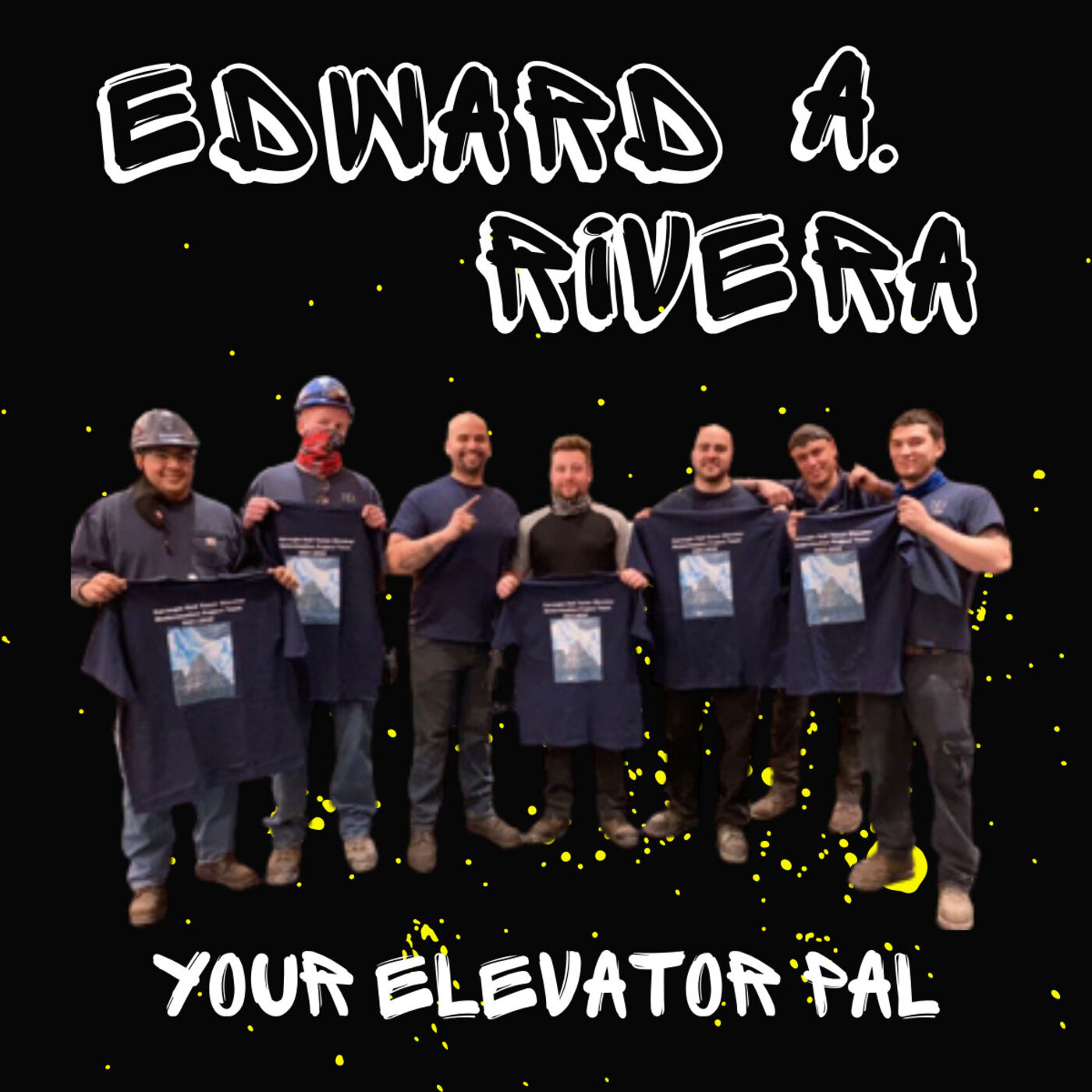
In this episode, I welcome Edward A. Rivera, also known as Your Elevator Pal. Ed is a Modernization/Construction Foremen, but beyond that, he’s a content creator who’s passionate about sharing his love for his profession with the world via LinkedIn.
Listen in to learn how he entered the elevator business and became a successful elevator construction foreman as well as why he believes we need to “above all, build people”.
“It’s not one-dimensional. You’re not in this box. There’s so much more you can do as a tradesperson or a college graduate. It’s never-ending. It really just comes down to what you make of it.” - Edward A. Rivera
What You’ll Learn in This Episode:
· What inspired Ed to start creating content on LinkedIn
· It takes courage to putting yourself out there on the internet.
· Ed’s journey in the trades – from vocational high school to building elevators.
· The power of having a mentor who lets you make mistakes.
· The various branches of trade occupations and the elevator profession: Servicing, New Installation/Construction, Modernization, Repair, etc.
· How Ed’s vocational high school has changed over the years and why it has unfortunately evolved into more general education.
· Why it’s important to educate kids, young adults, and apprentices about investing and financial responsibility.
· There are no limits to the opportunities you have to advance in and grow your life.
· How Ed implements core values into his team.
· A great customer experience is what’s going to drive repeat business.
· Ed’s Learning and Misstep: When you think you’re doing the right thing, but you’re not…
“Even at that age, in high school, I wasn’t looking for a job, I’m not even sure what I was looking for but whatever it was I was going to do, I was going to pour everything into it. That’s one thing that’s absolutely certain about me.” - Edward A. Rivera
Resources Mentioned:
Connect with Edward:
Connect with him on LinkedIn: http://www.linkedin.com/in/-edward-a-rivera-pmp-cei-17a658117
I went to vocational high school in Brooklyn. Uh William E. Grady vocational high school to study specifically electrical. And I like I was determined to go to this school. Um guidance counselors were trying to steer me away. They were saying, why is such an academically strong student wanted to go to a trade school? Um, you know, it was looked at as uh kids didn't go to the school, they were just sent there by default, right? And it wasn't like uh you didn't need uh uh a 90 or an A, whatever, to to get into the school. It was almost like, you know, uh the riff raft.
SPEAKER_02Um so when I went Yeah yeah.
SPEAKER_03Oh yeah, I'm back and I know I'm late. Appreciate y'all's patience. We just executed the uh construction career day here in San Antonio, Texas. We had over 300 high school students from 14 high schools, uh five groups competing, building their behinds off. They all did a really fantastic job, and about a dozen uh employers out there connecting our youth with uh employers in the construction industry. So that's my excuse, and I'm sticking to it. Shout out to the Rockstar Committee that really helped bring that whole darn thing together. I love you guys, and I'm looking forward to doing it again next year. Okay, enough with the excuses. This conversation is with Mr. Edward Rivera, your elevator pal. I connected with him via LinkedIn, and he's a straight up, genuine dude. If you find him on LinkedIn, Edward Rivera, your elevator pal, check his stuff out. It's like super down to earth, super cool, like positive, straight up, energizing. And he was the same way, you know, of course, over the interwebs, us talking back and forth. And someday I'm gonna hang out with the guy. He was at the job site while we were doing the interviews, which is like the coolest. And in this conversation, he and I connected on so many levels. Like he was speaking straight to my heart and really making me miss my days out there on the job site. You know, I bet a few of y'all are gonna be able to relate with this one topic. We were talking about finding posting stuff on social media and how uncomfortable that is, and how some stuff hits and some stuff don't. Uh, I was happy to know I'm not the only one. And, you know, as it relates to apprentices, again, if you hear his messaging on LinkedIn, he's all about building people, building the team. And he drops some major words of wisdom in terms of developing apprentices, both inside and outside the gate. There's also a message of accountability around trade professionals delivering an amazing customer experience and financial awareness or the need for financial awareness. I mean, this was this was super deep, super real conversation. Love to hear your thoughts. Give us some comments, of course. Let us know how riveting it was. Before I let y'all go, got to give a shout out to our patrons that have been supporting us for a very, very long time. They've been contributing, they've been putting ends on this petro uh so that we can pay for all the little things. Because, you know, there's there's subscription fees, I'm doing my taxes, I'm like, oh my God, where did all this money go? Well, you know where it went? It went to me having fun and working towards enhancing the image of careers in the trades with y'all. So thank you for your support. If you want to contribute, lend a hand, or just sign up for the email list, head on over to learningsandmissteps.com, hit that email list thingy. There's a little pop-up with my goofy face in it, or hit the become a member and pick a way to give us some cash. All right, I'm gonna stop jamming my jaws. I'm gonna let y'all hear this conversation with Mr. Edward, your elevator pow. What's going on, LM family? Here we are with Mr. Edward Rivera up in the NYC. Is that NYC, man?
SPEAKER_01Yeah, born and raised. And I'm secretly a resident Jersey, though. So don't tell my New York buddies anymore. I'm officially a Jersey resident. So uh uh. You lose street cred with that? I might I might lose a little bit if I go back to the neighborhood, so I'm gonna keep it on quiet. They might not even be on LinkedIn, so I'm not feeling not too worried. I got it, man.
SPEAKER_03I love it. So New York, born and raised?
SPEAKER_01Born and raised New York, man. Okay. Born and raised. Brooklyn boy, and maybe even around early 20s moved to Queens and was in Queens. Ever since I think uh about a year and a half ago.
SPEAKER_03And and so you're the elevator pal.
SPEAKER_01I went with your elevator pal, you know. It's funny. I I came up with that, I guess, even kind of before LinkedIn, you know, I was trying to like looking for ways to create value in sorts, and it almost sounds silly. I remember saying it to a couple of friends, like your elevator pal, like that's so cheesy, and I'm like, uh, you know what, I like it. I'm gonna go with it, you know. And then I just started to utilize it, and it just kind of stuck. And I think uh connecting on LinkedIn and the use of it. I I've had people in the street that I don't know. You know, I was taking in like a steel delivery or something, something, you know, an elevator machine, and this guy was like, Your elevator pal. I'm like, get out of here, dude. Yeah, yeah. I'm TikTok famous. Yeah, yeah, yeah. I'm like, get out of here. He's like, Yeah, man, I love watching your stuff and and and inspirational. You know what's fascinating is that um there's what I've come to learn is that like everyone's watching, right? And like everyone's always watching. Um, so there's there's there's people who just watch, there's people who engage, right? And there's people who create. Um at the end of the day, it's all to, you know, hopefully, you know, gain value from it, right? You don't know sometimes that you're making an impact, um, because you know, people remain like silent. And then at the beginning, when I was creating content, you know, really just showcasing my my passion for my profession. That's really it's it's honest, it's direct, it's who I am. There's you know, these posts that I create, they naturally at this point in my career, in my LinkedIn career, they naturally just flow. Um, it doesn't take much. A couple minutes, and I'm like, wow, uh, because it's just coming from the heart, you know. Um, sometimes it resonates, sometimes it doesn't resonate. And sometimes you tend to at the beginning was like, man, you know, I only got two likes on this content, but not not, you know what I mean? You're like, dude, it can be super discouraging, you know, super. And I'm like at the beginning, I'm like, oh, this isn't great. And I just, you know, I kind of stuck to it. So I'm just gonna, it is like, don't like, uh, you know, comment, don't comment. I just want to showcase my passion for my profession. It's gonna resonate with somebody at some point and add value to their life, and that's cool.
SPEAKER_03You know, what was it that like instigated within you to say, man, I need to start posting stuff on LinkedIn or or wherever else you post?
SPEAKER_01Uh no, I just yeah, I I exclusively utilize LinkedIn, you know, as a free platforms service. Uh yeah, I'm not, I'm not sure. Honestly, I'm not sure when it clicked. It just clicked. I just realized there was a platform. Uh there was a professional platform to connect with like-minded individuals. Uh, but I'll tell you what, man, putting yourself out there uh it takes a lot too, you know, like this. It takes a lot of.
SPEAKER_03There's there's a little bit more going on within the self, what while you're putting it out.
SPEAKER_01Oh, 100 100. It really takes, you know, you being comfortable with yourself, right? And just putting just exposing yourself to the world, essentially. And again, like I mentioned before, it's it's gonna resonate with some. It may not resonate with everyone, and that's okay. Again, it's for the content creator to share what it is he or she is looking to share, and um you gain an audience from it who's gonna value the things you're putting out there.
SPEAKER_03Yeah, yeah, yeah. Well, so that's what caught me. I'm obviously trade, right? I came up as a plumber. Uh, I'm down in well, actually, I'm in Dallas today. Um but when I saw your content, it was there were multiple layers for me. It's like one, you come across super positive energy, super positive outlook on life. And for me, I value that, right? There's there's different messages out there, and I choose to consume positive forward thinking ideas. Um, and man, it was you know, you're always talking about your teams, elevating the people that you work with, talking about quality, talking about excellence, sharing about your I mean, I saw your video the other day where you're lifting up this that that damn log. I'm like, man, that was like it probably tweaks all your core and everything.
SPEAKER_01I love I love that thing, man.
SPEAKER_02I love that thing. Yeah, yeah, it's so serious exercise.
SPEAKER_03And and talking about the trades, like I'm I'm guessing, did you start in in the trades like right out of school? How did that come about?
SPEAKER_01Oh no, it's uh I went to vocational high school in Brooklyn. Um William E. Grady, vocational high school to study specifically electrical. Okay, I like I was determined to go to this school. Um guidance counselors were trying to steer me away. They were saying, why is such an academically strong student wanted to go to a trade school? Um, you know, it was looked at as uh kids didn't go to the school, they were just sent there by default, right? And it wasn't like uh you didn't need uh uh a 90 or an A or whatever to get into the school. It was almost like, you know, uh the riff raft. Um so when I went Yeah, yeah. But I it was my first choice, you know. And in in in New York City, you in uh at the time, and maybe they still do it, you had to apply for high school. So you can go to a high school in Manhattan if you got accepted to it. So I it just might I just wanted to get into grady, and I think I had like three choices, all grady. So when I got accepted, yeah, I I I you know you weren't gonna deter me. Like that's definitely wanted to. I knew since kindergarten I was gonna work with my hands, and then I knew I wanted to study electrical probably around junior high school, and then I just went to Grady. And I'll tell you, it was a rough school, man. We had you know metal detectors, airport back scanners, wands, you know. It wasn't it wasn't a walk in the park. Um yeah, no, I was certainly determined to to obtain that education. That was my focus. Like um went in there and and focused and and and and graduated after graduating. So the one thing about the school, it had it did have a rich history um of you really putting out quality tradesmen or you know, and the MTA, local three, con edison. As soon as you graduated, it was like take these exams, you know, wait, wait for them to call you. This is gonna be, you know, this is kind of your future. Like a lot of guys ended up in local three, the electrical union, or they ended up in Con Ed, or they ended up in MTA. So it's like, wow, these are cool opportunities. And I really thought I was gonna go to the MTA, and I I had this vision of like, I'm gonna go there, I'm gonna learn this profession, I'm gonna, you know, I'm gonna move up the ranks, and I'm gonna, you know, even at a at that age in high school, I was like, I wasn't looking for a job. I was looking really, I'm not even sure what I was looking for, but whatever it was I was gonna do, I was gonna pour everything into it. That was that's one thing that's absolutely certain about me. Um so while I was waiting to be called, uh jobs, right? Like as soon as it was funny, as soon as I graduated high school, I remember I remember my high school graduation, I hugged my parents and I went to work. Like there was no party, there was no party at the graduated high school. It was immediately, I actually had to go to work. Like I gotta go. I remember so vividly, yeah. And uh and I went to work, so I mean as soon as I graduated, I just went right into it. And I was taking like odd jobs until uh until one of these you know organizations called me for my dream job. And while I was waiting for this dream job, my father's co-worker and friend, Eddie Garcia, was the karate teacher of a man named Dan Nichols. Dan Nichols was a co-founder of Boca Group, which is an elevator consulting firm in New York. Okay, and my dad said, Hey, I have a job interview for you with an elevator company. Awesome. That's stupid. Yeah, you know, and I remember the night before reading my motor control books, AC, DC, just kind of like refreshing in case they ask me any like technical questions. I wanted to, you know, have you know, have a handle on it. And sure enough, I I go to the interview in the MetLife building, which was uh 200 Park Avenue here in New York City, massive commercial real estate. Yeah, it's like wow, this is weird for an elevator company, right? This is a fancy place. And I went into the conference room, and the conference room was fancy, and in walks Dan Nichols, God rest his soul, was uh this big burly guy. He had a presence about him, you know. And he walked in, he sat down across from me, and he said, So how are your filing skills? Yeah, exactly. That's that's what I said. Well, I didn't even say that. I just in my head, I was like, What? My filing skills? And of course, naturally, naturally, my auto response was they're excellent. And uh he said, Okay, when can you start? I was like, today, tomorrow. He says, Go upstairs, see Jennifer, seven dollars an hour. So, okay, sir. I just took the job. I just took the job. I was like, I'm still waiting, I'm still waiting for my dream call for uh you know to do something, but in the meantime, you know, let's uh see what this consulting company is all about, you know. Okay, who knew there was such a thing as vertical transportation consulting? Yeah, I uh I didn't, but uh yeah, while you know, while I was there, it was interesting. I I became like very observant of everyone and how how how project managers uh handled themselves, how you know the administrative staff handled themselves, how sales personnel had I was very I was very in tune with you know emulating. So I would look at someone and go, okay, interesting. Let me take some of that from this person, let me take some of that from this person. Then I just got interested in it, right? I just kind of went all in. If I'm gonna do this, let's go all in. And I would take home specifications.
unknownNice.
SPEAKER_01Yeah, I would take I would take them home. I would take them home and I would read them to get an idea of the jargon. Had no clue what any of it really meant, you know, from a practical standpoint. But, you know, let me learn the jargon, this terminology, and uh while I was filing papers, from there they Dan Nichols gave me more and more responsibility. Then I started working side by side with the consultants and side by side with the project managers and assisting with writing specifications and bid package, leveling sheets, and it was a really great, I mean, fantastic experience. Fantastic experience. It's actually uh a backwards uh career path for most in the elevator business. Generally, you build elevators, and before you go to consulting. Yeah, consult on them, right? So as I was progressing um with my career there, there was a point where I realized, man, I still want to work with my hands. Like I don't really want to give up on that dream. And I really find elevators interesting. So perhaps I can get into the elevator union. You know, let me learn the profession I'm going to be a consultant on. Right? How can I really speak about it if I haven't actually done the work? At the very least, that's how I I I felt about it. And uh Dan Nichols, God rest his soul, he ended up passing away. Uh so he was really like the first person in uh my professional career who believed in me. Oh wow, yeah, it was inspired of me. He gave just something about him, he gave me a you know, just gave me a chance. I respected that. Um let me mess up. He he he yeah, I remember a couple times messing up, and his he he was he wasn't mad, but he like it was almost like a father figure, like he's disappointed in you, and you're like, man, I can't let that happen again. You know, I gotta do you know better. Uh but when he went, I just almost saw it as like now's the time to transition. You know, let's let's let's get into it. Um and working there, I got to connect with a lot of the players of the industry.
SPEAKER_02Yep.
SPEAKER_01Oh, and they were always like, hey kid, you want a job, you call me. All right, hey, they do, yeah, yeah, yeah. You call me, you call me. I ended up calling Marco Gorio, who's the uh president and uh founder of uh TEI Group, which is my current employer. Okay, and I went to go meet with him, and sure enough, he thought I was gonna go work for him at the capacity as a project manager. And I said, no, no, no, I want to build elevators. And he's like, Okay, that's interesting. Um, very interesting. He said, Man, listen, if you can learn how to build elevators and incorporate your current skill set, you're gonna be of extreme value sometime. Oh, yeah. Yeah, and that was when I was, you know, he he he he made it happen, you know. Like the next day I went down to the union hall, picked up my union card, and uh boom, I was in the I was in the I was in the elevator business. But what was really crazy is when I was walking out of his office, I saw a book on the shelf. I said, Oh, that's interesting, looks very familiar. I go, I grab, I go, and I grab the book, I bring it over, I open it, I'm like, Mark, you went to Grady? He's like, Yeah, oh yeah, Grady graduate. And I've come to learn that a lot of the elevator personnel in New York um were Grady graduates.
SPEAKER_03Okay.
SPEAKER_01You know, which was that, you know, vocational high school in Brooklyn. Yeah, yeah. You know, pretty much all of them study the same program, study the electrical, um, went through the course, and now I blink from that day. I think it's 15 years now, 15 years later.
SPEAKER_03Yeah. Now you're TikTok famous. Yeah, yeah, yeah. So man, I got I got a bazillion questions, so I'm gonna try to I'm gonna try to be uh try not to get too scatterbrained, because I think your story is is uh amazing, and I'm grateful to you for sharing it with us because we need to get out. It's gonna get out. We're gonna get it out, right? And I'm sure yeah you're you're doing that. I know you're gonna be talking with uh Davis and uh Walker here soon. Like that's awesome with laying foundation. They're super cool cats. You were on the live stream this morning. So a few things. I guess the first thing this you're this high school that's producing uh phenomenal construction professionals. Yeah, does elevator building elevators qualify as construction? Uh yeah, oh yeah, we do we do brand new, yeah. I mean, in my head, like people have gotten after me like Jesse, you just call everything construction. Like, okay, fair enough. Like I don't service is a little different, maintenance is a little different.
SPEAKER_01Well, yeah, listen, granted, I mean, listen, there's there's there, you can you can go into the service side of the industry, you can go into the new installation, construct new construction side of the industry, you can go into you know where we modernize, where we're going into buildings and upgrading, and then there's a repair. So there are a couple of different uh avenues you can take in the elevator profession, uh, from the from a fields perspective. But yeah, call it construction, man. That's what it is.
SPEAKER_03Good, good. Yeah, and so I get you know, I come up as a plumber, same thing, right? Residential plumber. Yeah, you know, I you will fire me if I go and do residential plumbing because I don't know how to do it. Give me in a commercial building, new construction. I got you, right? Uh service, uh-uh, I'm not your guy. It's gonna take me three days to fix the stupid faucet. I'll just go buy a new one. Like, yeah, so there's different skill sets, right? Now you talk about the high school, and back in the day, they there were uh metal detectors and security, yeah, all these things that we I mean, you know, that's what it is where we come from, has but it has produced amazing professionals. Yeah, how tight is that connection, or or how could we help people understand that that school is producing amazing professionals that are experiencing amazing careers? Like, is it seen in that light, or is it still seen like eh, you know?
SPEAKER_01I don't, yeah. So I guess from uh I guess the high school perspective now, I'm not I'm not too sure. What I do know about the school is its programs, uh they're almost com they're completely gone. Yeah. So when I was attending, you can study electrical, and it was literally you know, on top of your like academic education, you were in a vocational education for four years. You can study HVAC at the time, you could have you could have studied automotive, you could have studied carpentry, and I mean and I don't mean like study with a book, I mean real hands on It yep. You know, we're building the stuff. Um yeah, robotics. Um, I recently, maybe like a year or two ago, I remember going on their website to see what's going on, you know. Yeah, and more now they do provide vocational, but it's more uh encompass of everything. So I think it's a little bit of everything, almost like a general general practitioner, maybe providing uh not as in-depth as it was before. Um why it happened. I'm not sure. I think a part of it was no what nobody taking advantage of the education. I saw it, I was like, what the fuck are you all doing? Like, this is a free, amazing education. Like to the guys around me, I'm like, what are you guys doing, bro? Do you not do not see the value in this education? This education will cost tens of thousands of dollars outside of the school. And listen, I think, yeah, I mean, I was one of a handful who really took advantage of it, at least while well uh in in my graduating class, you know, who was really like, I'm here to learn this. And I was, you know, I I did well in school. Um high school, you know, especially when I was passionate about it. There was no like I was, you know, that's I wear my heart on my sleeve, and even back then, you know, I have to have I have to be driven by a purpose. Yeah. Uh like I genuinely have to be. I'm very like, if I don't if something doesn't uh I don't have this purpose or this drive or want to be somewhere, I won't go. Like it just I don't feel I don't feel the good about it. My energy's off. Um that's that's I I I keep that very close to the chest. I I I I value that extremely, you know. Sometimes I'll get involved with a project that's just like this, no, this is not right. This isn't doesn't feel right for me. Um or I'll be given job opportunities that just don't uh as amazing as they are, just don't resonate with my, you know, how I view life and my energy and what I value most. But going back to the school, taking advantage of it, it's it's it's something I I I sought out, you know, and I hear it all the time. Like, how do we get kids to you know see the value in the in the trades? And it just doesn't compete with me because this is what I want to do, right? Like so it was like wrong, yeah, yeah. Like like how is that how what do you mean you gotta you gotta convince somebody to do this, you know? But um but I I also I can also see the narrative of where because even my goodness counselors were pushing a different narrative, yes, right? You know, so they didn't necessarily see the value in the school. It was like a almost like a dumping ground for the myths. Yeah, there was definitely that message of you know, uh going to college and and listen, man, there's extreme value in whatever path you're gonna take, man. Yep, trade school, college, you you decide, you know. It's good at the end of the day, it's gonna be what you make of it. Yep. I mean, even in my profession and in my industry, a lot of us are a lot more than just elevator techs. We're also real estate investors, like, you know, we have a good understanding of the stock market, like, you know, and that's been really cool too. Um connecting with like-minded individuals in the profession. You'd be surprised. I get kids coming in here and they're like, you know, listen, man, you're making good money. Where's you know, how much are you putting into your 401k? And and it's just basic investments. And he's like, nothing. I go, you live at home, you're making a ton of money, and you're not investing any of it. And at the least, do your 401k. And it, you know, it comes down to I don't know anything about it, right? It comes to it doesn't come to I don't understand this. I don't understand that, like, hey man, you know, why don't you start buying some stock? Buy a little bit here, a little bit there, you know, play play the long game. Um, but openly having these dialogues, it's a value, you know. Um so you can go into into college and graduate and and follow a passion in a profession, um, and trade school, so on and so forth, but you're not it's not just that, right?
SPEAKER_00Right.
SPEAKER_01Like, yeah, you can be a college grad and become a tradesman, or you know, a tradesman and become a college grad. You know, both uh venues add value um to your career. But if you're not passionate about it, forget about it. Why are you doing it? Why you do it? Yeah, why why, why, why do it? Why do it? It's just I guess if you you know, it's not one-dimensional, right? You're not in this box. You you there's so much more um you you can do as a as a tradesperson or uh a college graduate, or there's there's a lot. It never it's it's never ending. It really comes down to what you make of it. And listen, I'm talking to you on a cell phone. This is it's a supercomputer in your hand, right? Like, yeah, if you're not you you you can make you you can invest on your phone, you can you can obtain knowledge on your phone, you can educate yourself on the phone. Like it's it's it's so readily available to you. Um that we we should all be taking advantage, yeah, and you know, it kind of accelerating in our lives, but it comes down to what you're gonna decide to do with it.
SPEAKER_03So that's like kind of the second question I have. It comes across that you when something resonates or something lands with you, like you're all in or you're not, and when you're all in, it's like get out of the way, this is gonna happen. Yeah, uh, even back to when you were in high school, right? You said in middle school you knew you wanted to be an electrician. Where does that come from?
SPEAKER_01Yeah, man, I don't know. I don't know. I don't know, like because I remember vividly in kindergarten saying I'm gonna build stuff. I remember I remember blocks. Blocks was my favorite thing, it was absolutely my favorite thing in the world. Um, building blocks. And I was like, man, I'm gonna work with my hands. And also my my father, my father was a blue-collar, okay, operating engineer. Um, so he he he works with his hands. I don't know what you know, I didn't want to do what he did, but you know, I got to see his work. Maybe that was partially inspiring. Like I couldn't pinpoint one one one thing that kind of led me down this path or why I was so passionate about it. I don't know. I just was I was so in tune with it. It just it just made sense to me. I was like, I'm gonna just do this. This is what I want to do. I'm gonna do it. I'm gonna I'm gonna do it really well.
SPEAKER_02Yep.
SPEAKER_01Um yeah, I can't couldn't say you know, you know, exactly one thing. If anything, my father told me, my father told me work ethic. Like we grew up in a one-bedroom apartment, right? And it was five o'clock. So my father would be up like 4 30, 5 o'clock every single day. Now we're in a one bedroom. So when one person's up, everyone, I got the same internal alarm clock. Like, I don't need a clock. I'm I'm up, I'm up. There's no such thing as sleeping in for me. I'm uh like sleeping sleeping in is six o'clock.
SPEAKER_02Like, yeah, yeah.
SPEAKER_01I I can't, and if I force myself, I'll actually feel terrible for the rest of the day, like physically feel just out of work. So I've been getting up at this time forever. But one thing was interesting about my father was that man was always up, always, always, always up. And uh he always went to work. I he, you know, no matter what he did, and he had some problems, you know, with alcohol. You know, he always put his boots on and he and he went to work. And that was like a work ethic I picked up from him, you know. Yeah, and him, and even like my grandfather, he used to be my grandfather used to be like, Mijo, you want to be a man tonight? You better be a man in the morning. Yep, you know, it's essentially telling me, you know, you're gonna have to own your choices, all right? Take responsibility, take responsibility for your actions. You want to go out tonight? By all means, go out, have a good time, do whatever you you want to do, Mijo. But you better be up and you gotta do what you have to do in the morning, you know, and that though like the work ethic from them uh always it stuck with me and resonated with me. But uh yeah, I mean to single out why I wanted to work with my hands, I have no clue.
SPEAKER_03I love the story, uh the impact that your family had on you around work ethic. And and and I'm gonna kind of stretch this here a little bit because in from the sense that uh what we see we emulate, right? Yeah, right. Like what we see, what we surround ourselves with, we will reflect back into the world. And and like taking it to the social media thing, you know. I used to like, I don't know, five, six years ago, social media to me was just jacking around and posting dumb stuff and reading like I didn't see any value in it, or I didn't, I just didn't understand like leverage it. Now the way you show up on social media, it it I mean, I'm totally drawn to you put great content out there, and my my I guess what I see in the future is folks like you and all the other professionals out there that are are posting a not just positive, but like a responsible message out there on social media. I'm anticipating that there'll be future generations that see that and do that also, right? Kind of like Potts was like, hey, gotta put your boots on, right? You went out, you had some drinks, good, but it's time to work, period. Yeah, all the time, every time. And you're setting the example of showing up positive, responsible, ownership, team, excellent. Like, I'm hoping to see other people come out with the same type of message, um, a responsible message. Thank you. I guess bottom line, thank you, bro, for showing up the way you show up because it's meaningful. We need that. Like, I feel when people ask, you know, the question you mentioned earlier, there's always like, how do we convince students? Like, well, I don't know if there's a convincing, how do we stop convincing them to do something else? Like, how about we just show that there's a bunch of options and stop saying there's only one track? I don't think you need to convince them. You've been convincing them to do something else, and also there was a time in my career when I was out there in the field and I was propagating the stereotype, right? Cat calling, cussing, screaming, just not I was not representing our craft professionals appropriately.
SPEAKER_01Listen, if I cat call, my mother would slap me.
SPEAKER_03So you know if they find out I'm it, it's all me.
SPEAKER_01I don't know how so you off. I just thought about my mother. I was like, man, I never did it. If I were, I could just imagine my mother giving me a whooping on that one.
SPEAKER_03Oh, well, and that's just it, right? We gotta be responsive, we gotta be respectful as craft workers, craft professionals, and set that example for everybody else. You talked about uh helping out your people, talking them through, investing their money. Like that's one thing that I've noticed. You know, I've I've played different roles in different organizations now, but in the trades, it was more pronounced in that there were there was there was usually one individual or at least a couple that were really looking to help the apprentices, the kids, right? The kids that were coming up in the trade and give them guidance on hey, handle your money this way, and hey, maybe you know, don't go buy that that that motorcycle, you're 20 years old, you got a pretty girlfriend, that motorcycle ain't gonna like it, looks fine now, but long term that's not a good play. Um, and so you're taking that responsibility around that. How do you instill that in your teams?
SPEAKER_01It it just comes down to openly communicating about it, right? And having these discussions, right? I uh when I got into the profession, like an old school you know mentality was, you know, you live on 40 kid. You know, they tell your kid you live you live on 40, live on 40. And it was like, you know, what are you talking about? Well, you you get live on 40 hours a week, and when you there's always overtime, yeah. But you don't want to base your life dependent on that overtime. So that's still a message we we, I mean, I I still hear, I still share with the guys. Um a lot of a lot of the projects, uh, you know, they'll they'll always again overtime is is is almost always there. Um so it's it's you know, it's an opportunity to earn additional income, but that's where you can leverage yourself, especially in your early age. You take this extra money, and and and again, you whatever it is you're gonna do. And again, I'm I'm not uh a financial guru or wizard, but just fundamentals. You you can do the basics, the basics, and you'll you'll thank me later when in 20 years, you know what I mean? And like, wow, dude, I didn't notice I didn't notice the $200 I was putting in in a week before taxes, and now I have like you know, $300,000 in my investment. Uh I didn't, yeah, it's so it it is uh something to um to share and and and and something I do share. I'm very vocal about it. And I think something is like a like how do you I I was listening to the talk earlier, and like you know, like who's gonna listen to you, right? Who's gonna receive your message? How who are you to even be talking uh to these people? And I think for the most part, for myself and my career, in my profession, um I've built a reputation, right? And it's something where when apprentices come to my job, they know two things. One, um I hold the highest of standards, there is zero compromising on any standard. Two, you're gonna work your tail off, right? You're gonna do what it is you're you're paid to do. And I guess the the third one is you're gonna learn your craft. You you keep the standards high, you do what you need to do, and I promise you I will teach you your craft. Like, but you have a responsibility, right? And in the beginning is gonna be organizing cleaning. If you can do that for me, I can teach you elevators, right? Because those are really good habits that you're gonna go from cleaning really well and organizing to learning your your craft. And those habits, you know, kind of trickle over, um, but getting that message across. And then when they because essentially what they start to feel is wow, this guy's invested in me, because I really am invested in them. Yes. When I say I'm talking about the next generation, you can speak to any apprentice who's come across my path. You know, I I speak the same message and I want to see the same value being delivered and developed throughout the the industry. But I'm also quick to remove those who don't see the value in it. Yeah. You're wasting someone's seat. You're wasting someone's seat. So that's something we need to get good at because and I I get pushback on this, but I don't believe we owe anyone anything. I don't, I don't believe, um, I don't believe I'm owed anything. I I don't believe, you know, I'm not entitled to any of this. I come in every day, even to this day, and I earn it. I have my value, I know what my value is, I know where it is, and you can rest assured that you you're getting that value from from 7 o'clock to 3 30. That's the same same habit to build in these apprentices. You know, come in here, don't get this level of entitlement, you know, you're gonna end up getting a bad reputation, not just you, but like as a union member, right? You're gonna have this, well, you're entitled to your pay. I'm guaranteed this pay. I I I nipped that really quick. You know, I can't change the older generation. I wasn't never looking to to each their own, but I really do see an opportunity with the younger technicians and the apprentices coming through the ranks to go, hey, you need to have a good understanding of what value you bring to the table, how important it is to learn your craft all around. For any trades person, it feels really good when someone you mentored and groomed is doing well.
SPEAKER_03That's yeah, I was gonna go there, right?
SPEAKER_01That's like one of the greatest feelings when it's like, wow, you know, this kid was was working alongside me. And I tell them as well, listen, you are completely responsible for your career. You are 100%. It's not me. I I may help you working with me, may help accelerate your career. You're gonna see a lot more things working with me, you're gonna learn a lot more working with me. But at the end of the day, it's gonna be up to you to go where it is you want to go with your career. Oh, when I have like the younger uh generation saying, you know, man, I'd love to work with you, I'd love to work with you, I'd love to, you know, even like younger mechanics, I would love to work with you, I would love to work with you, I would love to work with you. It feels good, but I create that, you know, I'm there for them. Like I'm there for that process. They're protected in a sense where, you know, I'm lead, I'm leading the job. You're gonna mess up on this job. It's my responsibility. Yeah, and and that's fine. I take ownership to all of that. And when you kind of create this environment where you know failure is is kind of accepted, it's it's they start to they learn quicker. They they they they're not scared to lose, right? They're not scared to fail on something. Um, but that goes into like a whole nother world of really uh, I guess it really stems back to like building building the next generation, giving people opportunities to grow, knowing your your teammates, right? I I'll have a job and I'll have like 20-something guys, and I could have uh same scope, same car, and a guy's doing it in it's hypothetical again. He's doing it in 10 weeks, right? And then I got another guy who who's taking 14 weeks, right? But he's putting out a quality car. And he's also like he's still growing. So that that that four-week delta is an investment, right? He he yeah, he's gonna get he or she's gonna get better the next go-around, right? Because one they they they're they're they're they're learning their craft, they're looking to do the right thing, they're they're they're supported, right? I'm supporting them, uh highlighting things perhaps that they could have done differently to increase efficiency without compromising safety, because you know, I I tend to say like the execution of excellence, it it by default. In order to execute excellence, you have to do it safely. Period. Yeah, you can't, you can't, yeah. It's impossible to have that without that. So, but those are guys they do they I've had a guy with me, Matt, and about two, three years. The kid's an all-star. He's a young kid, and to see his growth is just fantastic. And he was just on the job. The job I'm on is coming to an end. So he's he he went over to uh another job site on his own, and uh, you know, I shook his hand and he left and said, Listen, I'm always a phone call away. Yeah, always, always a phone call away. But that's that same thing. Here you go. Go fly, you know? Yeah, yeah, yeah, yeah.
SPEAKER_03That's an important thing though, because I've been around, I've seen many managers, leaders, foreman, you know, etc. I've seen some that they will hold that top performer hide them so that they keep them because they make their job easier. What do you think about that?
SPEAKER_01Yeah, no, it listen, it happens a lot. It happens a lot. I don't, yeah, would I want to keep Matt for the rest of my career by my side? Of course. Like who's growing, who's grown, it's just gonna get better and better and better with time. But um, no, I would never pigeonhole somebody to any any career choice if they wanted to go, you know, to another company, whatever it is they want to do that they feel they need to do for their growth, yeah. Man, go ahead, man. You've got my complete support, you know. Yeah, that's that's that's that's that's great. Like my my my apprentice, my partner, my current apprentice and partner, uh Chris, he's been tagged a lot on my LinkedIn post. He was interesting about him speaking of pigeon holding. I'm not saying he was being pigeon held, but uh he was working for another department. Okay. Prepare department. He hit um him and his partner, they came to my job to lend some assistance because I needed some experienced hands to do uh specific scope of work. The guys on my job didn't have the skill set at the time, so I called this team in and I saw this kid. I'm like, wow, this this kid has something special. Yeah, he just his demeanor, his attitude, his work ethic, just the way he carried himself. And then I had a, you know, we finished that scope, and then a couple of months later I needed uh similar assistance, so the same team came over, and I was like, nah, this this we're doing this kid a disservice, keeping him this department. Not taking anything away from that department. I just felt as though he had the potential to learn more in like a modestation project or new construction project. And I reached out to the company. I said, listen, we're we're doing a disservice to this kid, we're doing a disservice to this company and a disservice to this industry. If we're gonna keep him in that department, um, I'm sure he can learn some more, but his growth is gonna accelerate. We're gonna develop a uh a talented technician if he comes with me, you know. Coincidentally, I think I can't. If he comes with me, you know. And sure enough, you know, um what's really great too about you know TEI's um ownership was they they they understand the value of people, right? Um so they they yeah, they they were they was like, yeah, you know what? If you think that's the case, we're gonna make that happen. Wow. And you know, the where he came from, obviously they weren't happy about it because here goes their their ace. They're ace, yeah, it's like their ace apprentice, but uh you know, they always take some stabs at him, you know, when he left, but yeah, more in good nature, you know. And yeah, he's he he's it's been a pleasure seeing how far he's come along, too.
SPEAKER_03So that's a that story right there kind of perfectly displays um one of your quotes. Right. The piece that resonates with me the most is but above all, build people. You got do you have like swag with that with your whole quote on there yet?
SPEAKER_01Huh? I had yeah, I had some shirts. So yeah, I had coffee cups. Um I just wasn't able to uh create it at a volume that made financial sense for me. I didn't want to sell $50, you know what I mean? Like uh I'm not trying to make a killer profit here, but I'm I'm not able to to generate you know the requested volume out of out of to me. I mean, I'm very like uh frugal in a sense, right? I keep my holding money right now, like a $50 cup or a $30 cup. I would never buy that. How can I charge somebody for that? But uh quote, you know, like you know, build elevators, build escalators, but above all, build each other. Um dude, I don't know where it came from. It came from me 100%. And I I I just like it was I don't can't even remember the day when it came, it just made sense to me, you know. I was just like, you know, obviously it's it's specific to my profession, right? Build elevators, build escalators, but above all, build each other. Because that's the most important part is the part at the end, right? To to build each other. And it's so much more than a quote, right? Uh for me. Uh it really is uh just super important for me to to help build those around me, right? I didn't come from much, and this profession offers much.
SPEAKER_03Yes.
SPEAKER_01And it's something, you know, I've taken complete advantage of in growing myself, uh, taking a, you know, really learning my craft and learning my profession. And I'm still learning my craft, learning my profession. Each project I get better at running projects, you know. Yeah, can I run a project now with my eyes closed? Yeah, it's second nature, but I get better at it. And the part I get better at is is the interaction with people, yeah, with my teammates and engaging and and and each time I um it's nearly impossible for me to coast. I I can't. I can't just I can't, I can't, I can't, can't, can't do it.
SPEAKER_03Yeah, elevate the game, elevate the game.
SPEAKER_01Always, always something, always an opportunity to get to get better, better at my profession, better at building people. But knowing my craft, I really I've begun to focus on helping those around me get better at their craft, you know, whether it's product management or um the actual art of building elevators and or customer service, often underlooked, but a vital part to the whole experience. Um and I tell the guys and girls all the time, listen, the customer's experience, like we're still we're customer-driven business, right? And their end experience is what's going to, you know, drive repeat business, yeah, similar to the sense where if I go out and I spend uh $20 on dinner and I have a bad experience, that $20 will bother me. Like, oh yeah, tremendously, like that'll bother me all week. Man, that $20, I could have done something else with $20. Or I go out and I spend $20 and have a great experience. I don't even think about the $20, right? So that same thought process kind of stuck with me when I when I'm running projects or interacting with the customer. How do I ensure they have a good experience? All right. How do I get that repeat business? And it's this is not my business, but I want to be able to, you know, really, and not even so much the repeat business, because that that does occur, but more like I want them to see the value in what they're paying for. That's that's important to me. I tell the the you know, the guys and the girls, show them your worth, right? Show them your value. We're we're we're trade professionals, but we're also union members, right? So we have a package. We we have to justify that package day in and day out, right? Everything circles back to my thing of entitlement. Don't don't become complacent and don't become entitled because at some point that may not be there, right? They may get tired. Why would you pay for a $50 stake and have a bad experience when you could pay for a $20 stake and have a great experience? So these are messages, messages as well that I try to uh put out there to the you know the technicians that come across. Is it because it is it's super important, man. At some point, someone's just not gonna want to pay. So we all have a responsibility to create the value in our trades.
SPEAKER_03100%. You know, what stands out to me, Edward, is your your focus or your mode of operation is around contributing, around serving, not taking, not achieving, serving, and through serving, you're you're achieving great outcomes. Uh, and I applaud you for that. So here's here's uh the secret not the secret question, but the question people got two questions that I like to get people tripped up on. So you ready? You ready?
SPEAKER_01I'm ready, buddy. I'm ready.
SPEAKER_03So what is uh lots of experience, man, that you've been through, and it doesn't matter, it could be in the workplace, it can be at home, family. Um, what is a significant learning that you've had as a result of like a painful stinky misstep?
SPEAKER_01Oh that's that's a trippy one. Painful stinky misstep. Yeah, you got me tripped there, man.
SPEAKER_02Yeah, yeah, yeah, yeah, yeah.
SPEAKER_03Like uh something that went terribly wrong, and but you walked away, it it wasn't fun, man. But you walked away with some good stuff that you to carried forward.
SPEAKER_01Oh, I mean uh huh. Yeah, I don't know if this applies, but one thing I I I felt like I did, I thought I was doing something right, and it actually ended up not being right. Um wasn't wrong, but it wasn't the most efficient thing. And I guess maybe that there's probably more, but the one thing that comes to mind was all right, y'all.
SPEAKER_03We got a bit of a change here. Yes, I'm breaking up the flow, and that's not gonna change, it's gonna stay the same. But the LM family has spoken out, and we've heard you loud and clear. What we are doing is the backstage passes, these clips that you're not gonna be able to listen to on this audio version, are now gonna be available to everybody on our YouTube channel. So hit up our YouTube channel, subscribe, follow, like, hit all the buttons, and and give yourself a little bit of a learnings and missteps marathon and catch up on all the outtakes. We want to hear your comments and we want to know what you're learning from these things because all of our guests have shared some pretty intimate uh missteps and have had some pretty profound learnings, and we hope that you can take that and apply that going forward and even teach it to your people, the people you care about. So that is going to be the deal going forward. Thank you for supporting us and back to the show. And so that's a phenomenal lesson, my man. That's a great lesson there.
SPEAKER_01Yeah, yeah, yeah. That's hilarious.
SPEAKER_03Yeah, so I don't I don't collect anything anymore. Say, uh uh, chunk it. If somebody don't want to come, we can't donate it, somebody don't want to come pick it up, just get rid of it, guys. Because, like you went through, I we have to show the math, right? Show that look, here's the whole picture, and then the guys are like, Oh, damn, I didn't even think about that. And that's okay. So now we understand. So going forward, we can make better decisions.
SPEAKER_01Uh yeah. Yeah, on on that note, and it's something I feel is uh missing in like potentially like vocational educations, but also like you know, through like the union programs, is uh uh like the project finances. Like you should go out there with a kind of uh a solid understanding of what it is, uh, you know, the expense heard on a job, like how much is the labor rate, how much are we burning? What's your your burn rate? Have a good idea because you know, I'll I'll I'll talk to people and and I'm also I'm I'm one of those like seven o'clock, we're all up and we're starting work. There's no dittle dad, let's go. Um you know, and we're we're working on our times, but everyone just understands that, right? They that's the standard. It's it's it's either either you you're a part of that or you could just go, you know.
SPEAKER_02Yep.
SPEAKER_01Um and everyone respects that, right? But I also highlight, listen, do you understand what happens when I have 12 guys and I'm sitting here for an hour at a hundred dollars an hour per person, right? That's twelve hundred dollars, and we and then if you take a long lunch, right? Then it's twenty four hundred dollars, and that's just for one day. One day that same even summarize it to to two thousand dollars for that one day, right? Take that two thousand times it by five. We do that every single day. You literally have taken ten thousand dollars away from this company every week, every week, and then you go listen, you do that for one year, you just did a half a million dollars in in and just doing nothing. Yeah, you gotta, you know. Yeah, I'm serious. Yeah, because you wanted to diddle daddle, and that goes back to that level of entitlement. We get pays for the 40. The goal, the goal should be put out 40 hours of production. Certainly, there's snafu's and things that occur that's you know, and there's there's a lot of things that can take that away, but you shouldn't be a part of that taking away. Yep. All right, yep. So that that that's something that should be taught for 100%.
SPEAKER_03Like the man, yeah. Like we don't get paid for perfect attendance, we we get paid to produce.
SPEAKER_01We get paid, yeah, we get paid to produce, and a lot of times when they see the the dollar amount, then it computes like wow, you know. I say you should be you should be arrested for grand larchinym, my man. Like, you know. Oh yeah. Yeah, do you realize that's a felony what you're doing right now? You know, and uh sometimes they don't they don't get it, but when you present it, when you present it that way, um it does it does tend to strike a little closer to home and like wow, you know what, you're right, dude. We gotta kind of put out there and you know, you gotta respect the businesses you're working for, right? They're the ones who are shelling out that money. What those businesses don't exist, you're not getting that income. Right. Um that's part of the project success, right? Again, you don't want to be part of the project failure. Like things will occur, like things will occur, but you don't want to be the reason it failed, right? Yes. Uh you know, in many ways to define failure, but um, you know, and and a lot of things occur on projects that you just can't, you know, change. And sometimes things are at a loss. But the things you can control, like showing up on time, putting in the work, those are the things you should be adding to the experience. Um, and that's something that that definitely should be taught, you know. Yep. Even the cost of a piece of EMT and plywood, you know, because then you start to order a lot more lean to an extent. You know, we utilize the same material for the most part, so I do, you know, take material with me from job to job, but nothing tremendous. Like I'm not, you know, I have my my cabinets full of stuff, and it's you know, the old school mechanics be like, listen, kid, it's better to be looking at it than for it. So I I do take things, yeah, you know, I do take I take things with me to projects, but you know, 10 foot sticks a pipe and stuff. I'm very like lean. Like I order specific for that project, I count everything I need, everything I need. I don't want to be I don't want to be moving those things around. Uh over and over again.
SPEAKER_03I think I'm excited for your answer to this this next question, Ed. Oh boy. Oh yeah, uh it's a good one. Uh so what footprint do you intend to leave on this world?
SPEAKER_01Ooh. Oh, I think uh as cliche as it sounds, is it's really you can achieve anything. Like you you you really you can you can really achieve anything you you really want to set yourself out to achieve. My passion for my profession was something I said I I I have, but I set out to to to to do this, right? I set out to be uh uh uh uh uh the top of top of the top, you know. Like that was my goal was to be a value adder. Um, and I hope, if anything, I'm able, you know, with that goal that I've always had to be a value adder and a contributor to those around me, that that just resonates and that you know, same thought process and um habits and beliefs, you know, the next guy's gonna just kind of pass that along. So when you you think it's possible, you you you can definitely you can definitely achieve it. You know, aim to be at the top of your game. And it doesn't mean you're you're better than others. I don't think that one bit. I just I aim to be at the top of my game in order to add value to others around me. Um, and if those who I've added value to can take the same experience they had with me, then I think I left a good mark on the world.
SPEAKER_03Yeah, man. Gangster! I love it. That's what I'm talking about, baby. Well, I'm telling you, it's it's thank you again. I'm grateful to you for being, I mean, just a solid, straight up representative of what craft workers, craft professionals are. Right? Like, like you're setting the example, you're holding yourself to a high standard, you're developing people, um, you're giving back, you're concerned about fine, you're aware and responsible. Um, what's the word? A good steward of the company's finances. You understand the value of the customer and client experience. Like that is craft workers, that is trades professionals. You're just doing a phenomenal job. I'm I'm I am grateful to be represented by you, my man. You like you're doing it right.
SPEAKER_01Thanks, man.
SPEAKER_03Thank you, thank you, thank you. You're giving me something to like I'm thinking, damn it, I need to clean up my game over here on this side because Ed, Ed's doing it. Oh man, so is there any anybody you want to give a shout-out to or anything we that you wanted to talk about that we didn't?
SPEAKER_01Uh no, I mean, you see, you great questions, great discussion. I probably went off tangent a couple of times, but that's just me, man. Just talking from the heart. Um yeah, just grateful, definitely thanks to you know the uh professionals in my career who saw something in me and gave me opportunity. I hope they feel as though we both mutually benefited from the experience.
SPEAKER_03Didn't I tell you? Man, like he's the kind of guy that you just want to hang out with, right? Like have coffee with, pick his brain, get some advice. I want to be his helper someday when I grow up. He's just made a career change, so let's celebrate him. Find him on LinkedIn and follow him. And now it's time to shout out one of the LM family members. This shout out goes to Mr. Anson Green, the trailblazer. You know, I got to meet Mr. Anson Green serving on the Texas Workforce Development Committee. So Anson Green says, love what the tribe is doing for the people side of the industry. Now, that people side conversation comes directly out of the No BS with Jen and Jess. Y'all may be familiar, many of you are already no BS tribe members. We're gonna be live streaming this coming Saturday, which is what is it, April 16th, and then every other Saturday after that. We'd love for y'all to join us. And Anson's 100% right. That's the entire conversation is around the people side of business and how we need to take care of each other and how we need to serve people appropriately because we're all humans and we're all better together. So, Anson, thank you, sir. And y'all out there, keep your ears peeled because Anson's gonna be interviewing me on his podcast. Uh, it's titled Behind Every Employer. Check them out. They're totally focused on workforce development. And Anson's a baller. Like, if you're looking for guidance, best practices, a network that can help you really soup up your workforce development program, Anson is the man to connect you. So be cool and we'll talk at you next time. Peace.


